2 hr 30 min
Kigali Walking Experience with Local Guide
- Entry ticket
- Mobile voucher
- Valid same day
- Free cancellation
Nyamirambo Walking Tour — Community-Led Routes Through Kigali's Oldest Quarter
Craft cooperatives, hair salons, and market lanes, guided by the women who built them
Compare fares, pick the fit — all bookings are mobile-voucher and eligible for free cancellation where shown.
2 hr 30 min
2 hr
2 hr
| Experience | Duration | Rating | Pickup | Guide | Small group | Free cancel. | Price | |
|---|---|---|---|---|---|---|---|---|
|
Standard Entry
Most popular
Kigali Walking Experience with Local Guide
|
2 hr 30 min | ★ 4.8 | — | ✓ | — | ✓ | €26 | Book → |
|
Standard Entry
Kigali Walking Experience
|
2 hr | ★ 5.0 | — | ✓ | ✓ | ✓ | €25 | Book → |
|
Standard Entry
Mount Kigali Hike & Village Cultural Experience
|
2 hr | ★ 4.8 | ✓ | ✓ | — | ✓ | €30 | Book → |
Worth it for culture seekers and social impact travelers
The nyamirambo walking tour kigali delivers authentic neighborhood access that standard city tours skip entirely. Your 15,000 RWF fee funds the Nyamirambo Women's Center—a cooperative supporting over 600 women through skills training and microfinance—so every booking creates measurable local impact beyond the two-hour experience. You'll walk residential lanes, visit hair salons and tailoring workshops run by cooperative members, taste local snacks, and hear stories from guides who actually live in the district. The bookable Kigali Walking Experience with Local Guide and Nyamirambo District tours follow similar routes but vary in group size and storytelling depth. This works best for travelers who value community-led tourism over polished attractions. If you prefer monuments and museums, the standard Kigali city tours offer broader coverage. For those seeking genuine cultural exchange and willing to support grassroots women's initiatives, the Nyamirambo walking tour represents solid value.
Bottom line: Book the nyamirambo walking tour kigali if you want your tourism spend to fund women's empowerment while experiencing Kigali's most authentic neighborhood culture.
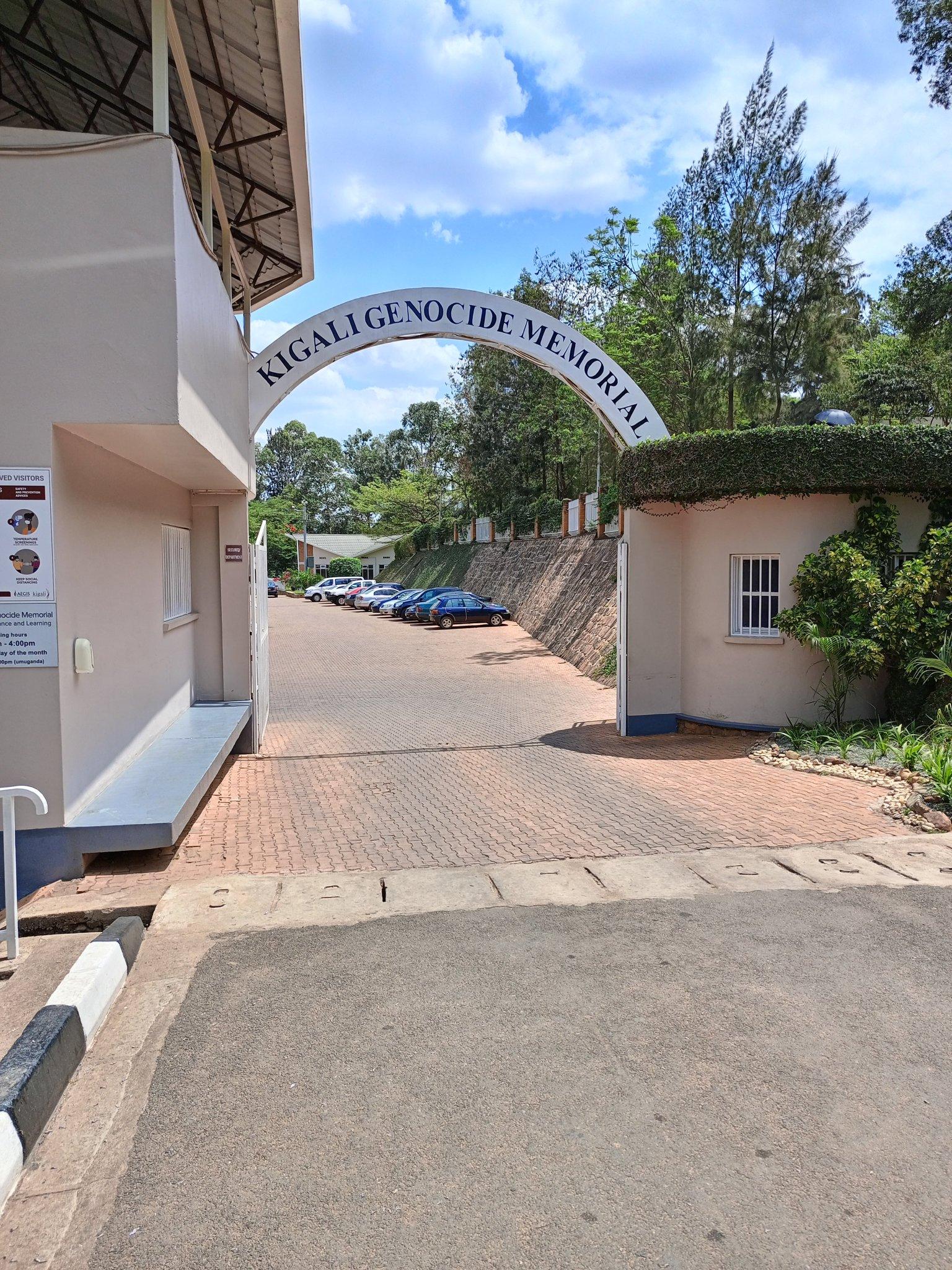
They complement each other; most visitors who do both call the Nyamirambo neighborhood walking tour the more lively, interactive experience compared to the solemnity of the memorial. Opt for these Kigali landmarks to balance cultural immersion with historical reflection.
|
Top pick Nyamirambo Tour |
Kigali Genocide Memorial | |
|---|---|---|
| Focus | Community and daily life | History and remembrance |
| Primary activity | Guided neighborhood walk | Educational museum visit |
| Typical duration | 3 hours | 1.5–2 hours |
| Entry cost | 15,000 RWF (per person) | Free (donations accepted) |
| Best time | 09:00–14:00 (shops active) | 09:00–16:00 (last entry) |
| Vibe | Vibrant and social | Quiet and solemn |
| Booking constraint | Reservation required | Walk-ins accepted |
| Target audience | Cultural explorers | History enthusiasts |
| See tickets & prices |
Verdict: If you want to experience the modern, energetic heart of the city, book your nyamirambo walking tour kigali tickets, but prioritize the memorial if you seek a deep understanding of Rwanda's transformative history.
Hand-picked experiences loved by thousands of travelers
3 hours
Free Cancellation
Journey through Rwanda's capital on foot, from memorial sites to bustling markets and women's cooperatives
3 hours
Free Cancellation
Discover Rwanda's capital through its vibrant markets, memorial sites, and restored wetlands
3 hours
Free Cancellation
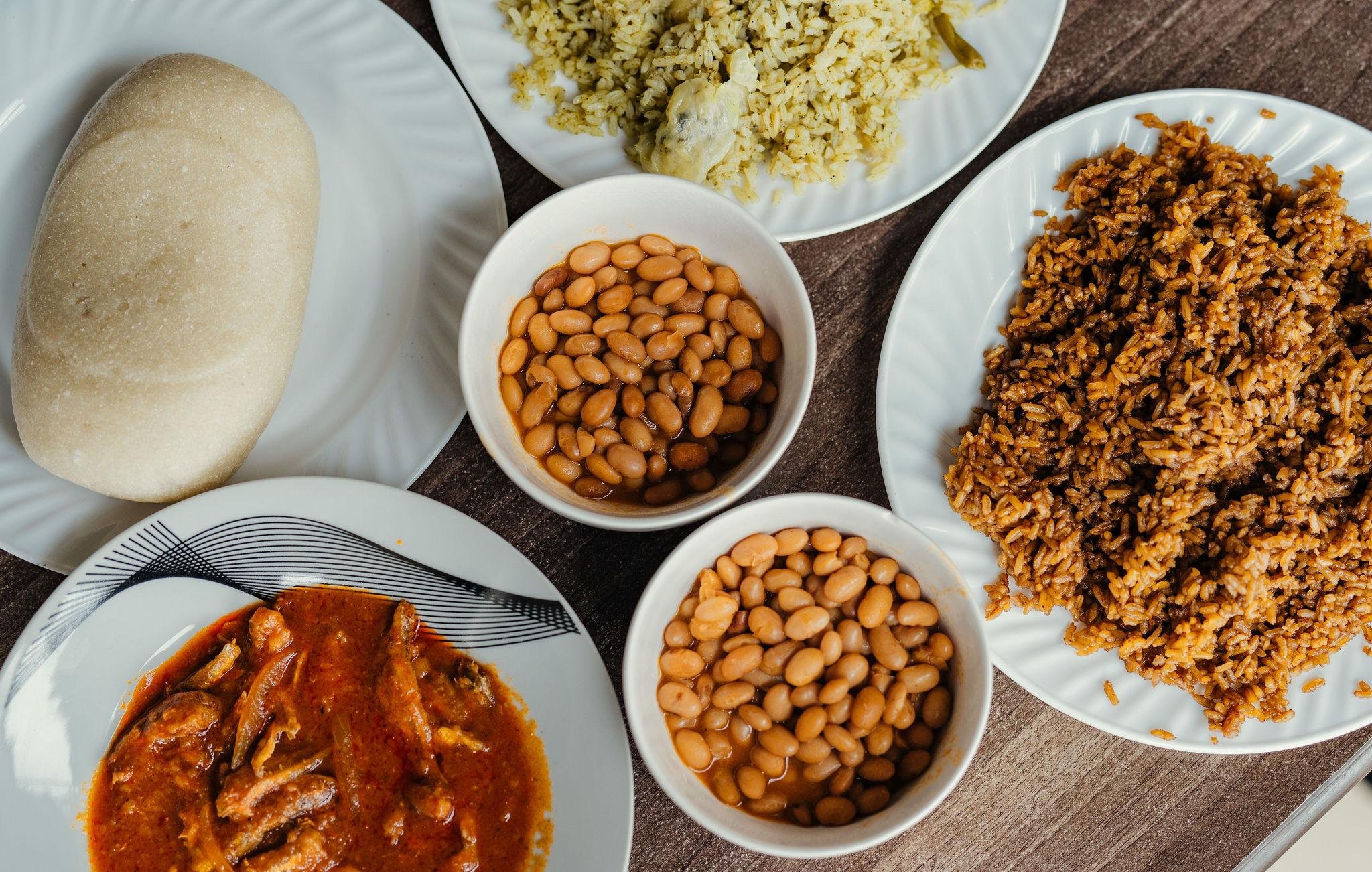
Savor authentic Rwandan flavors across five local eateries in Kigali's most colorful neighborhood
2 hours
Free Cancellation
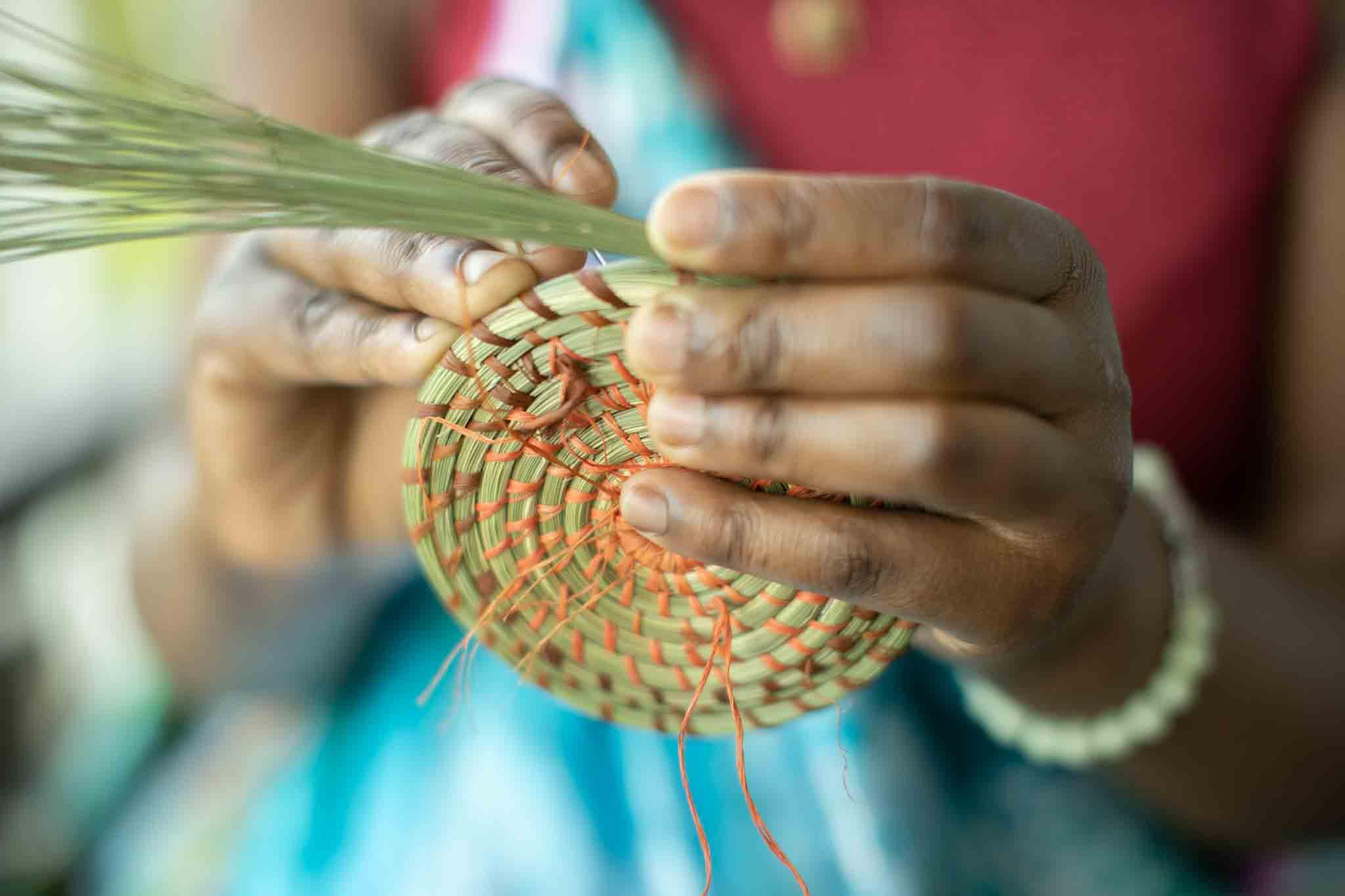
Learn authentic basket-making techniques from skilled local artisans in a serene Kigali garden setting
1 hour
Free Cancellation
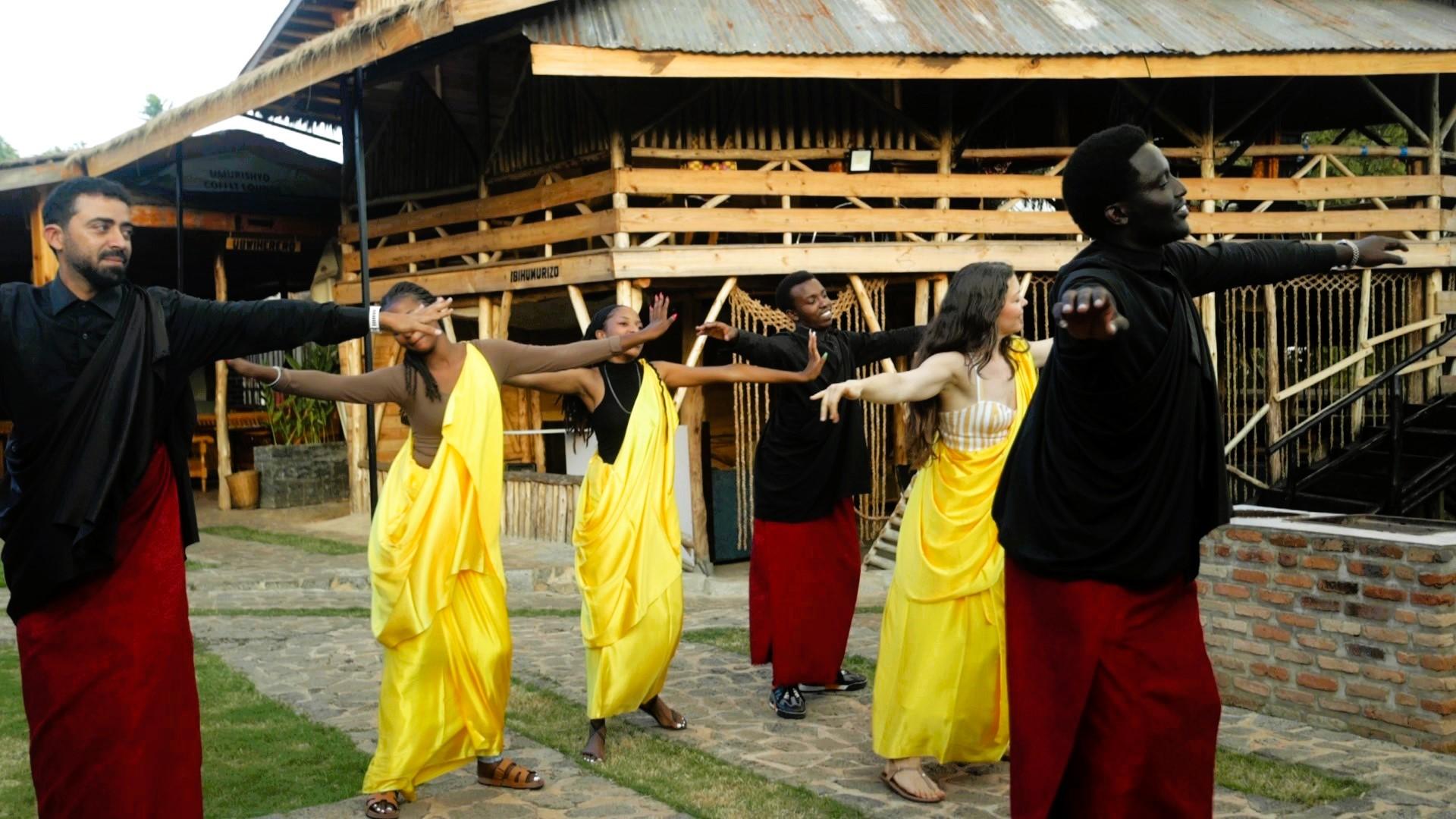
Join local dancers for hands-on instruction in authentic Rwandan movement and rhythm
4 hours
Free Cancellation
Explore Rwanda's capital on foot through rolling hills, vibrant markets, and historic sites
7 hours
Free Cancellation
Discover Rwanda's capital on a full-day guided journey through history, culture, and scenic viewpoints
3 hours
Free Cancellation
Experience authentic Kigali through its vibrant districts, street markets, and traditional cuisine
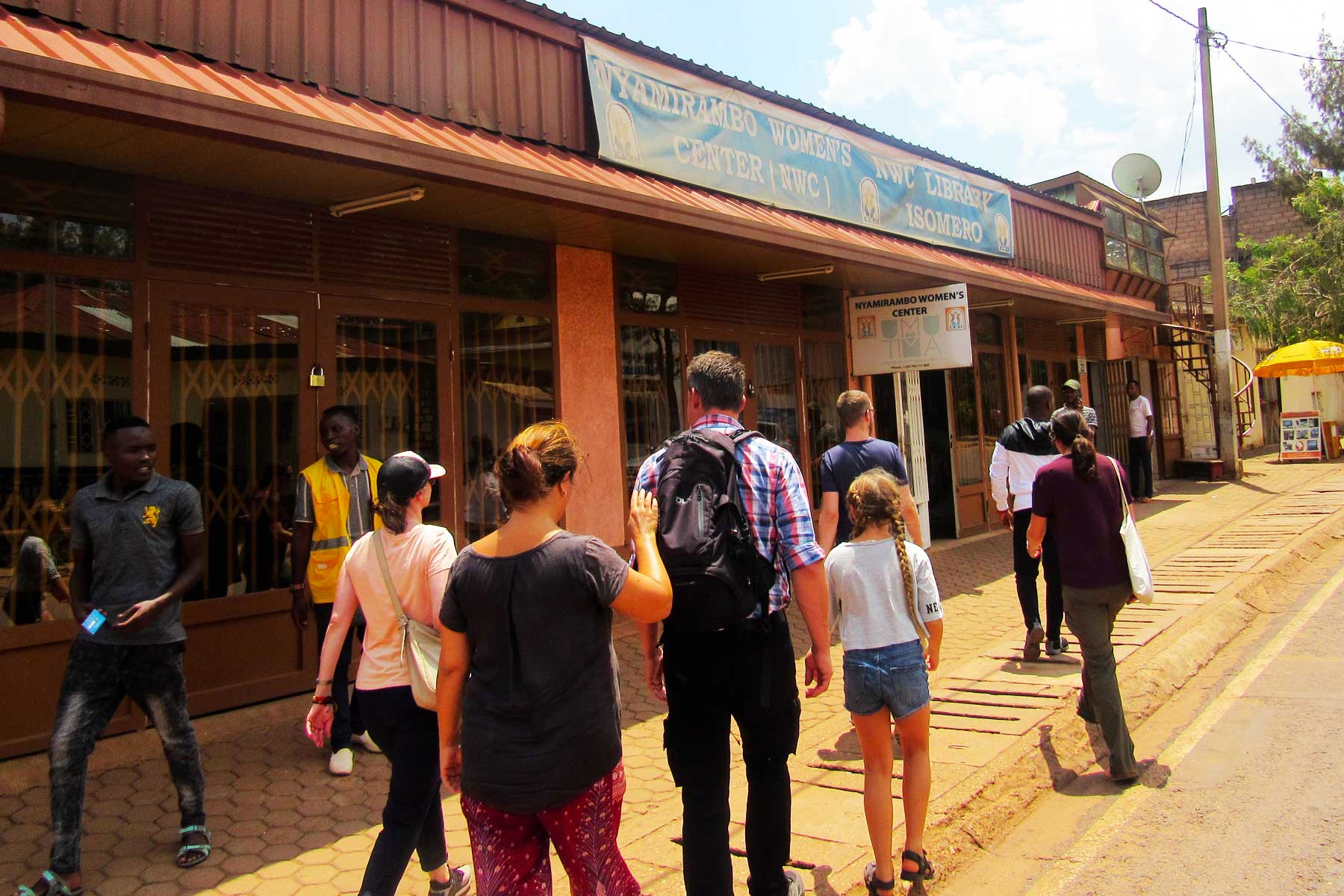
The starting point where you meet local guides and receive a traditional snack and language lesson.
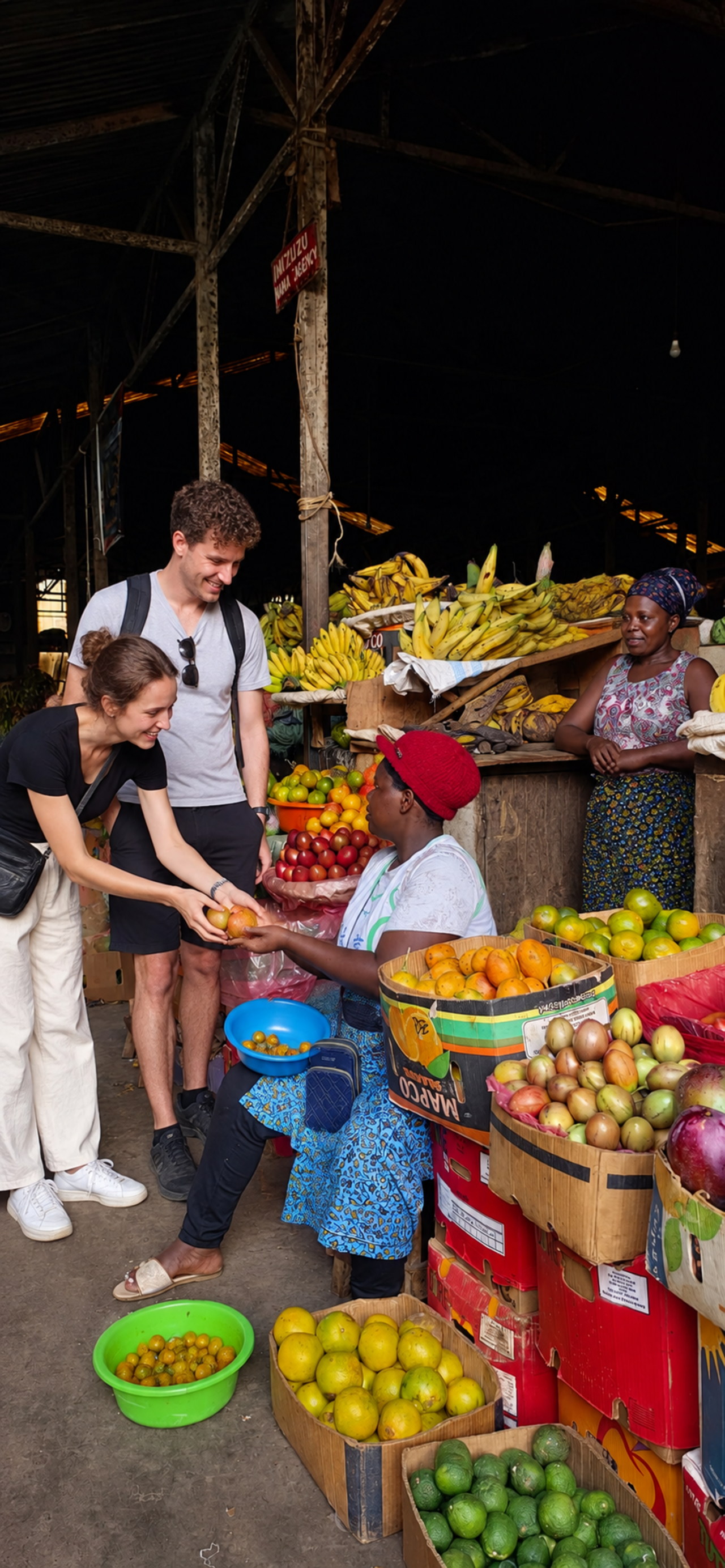
A bustling local market where community members trade fresh produce and traditional ingredients daily.
An authentic visit to understand the cultural significance and production of milk in Rwandan daily life.
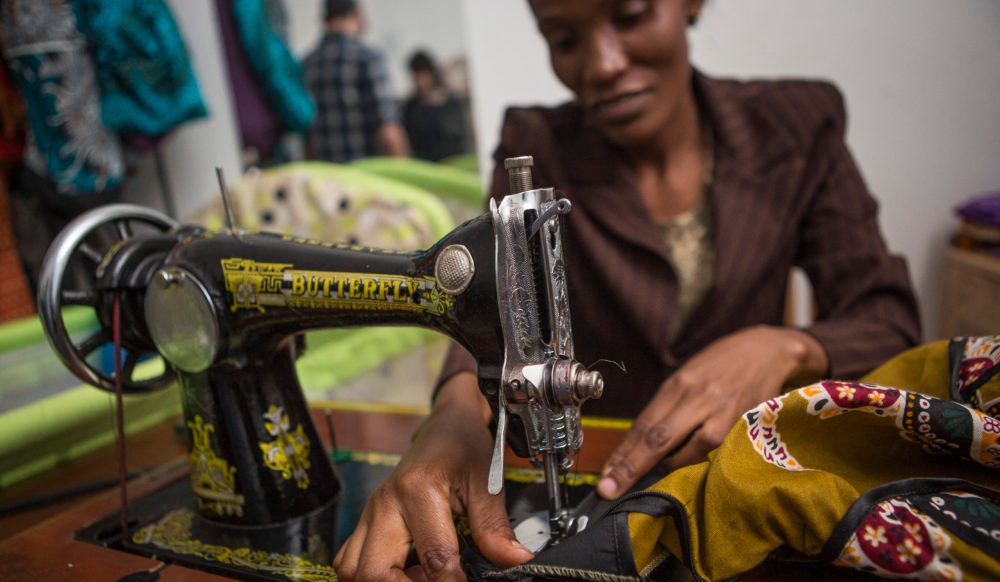
Observe local artisans practicing tailoring using vibrant kitenge fabrics to create handmade goods.
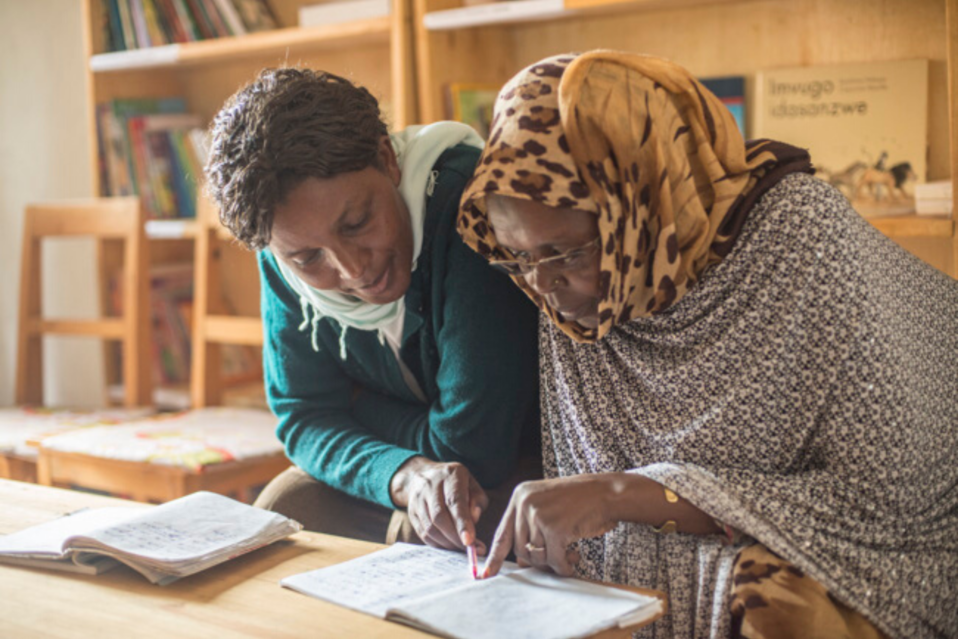
A neighborhood space dedicated to fostering literacy among children with afternoon programming.
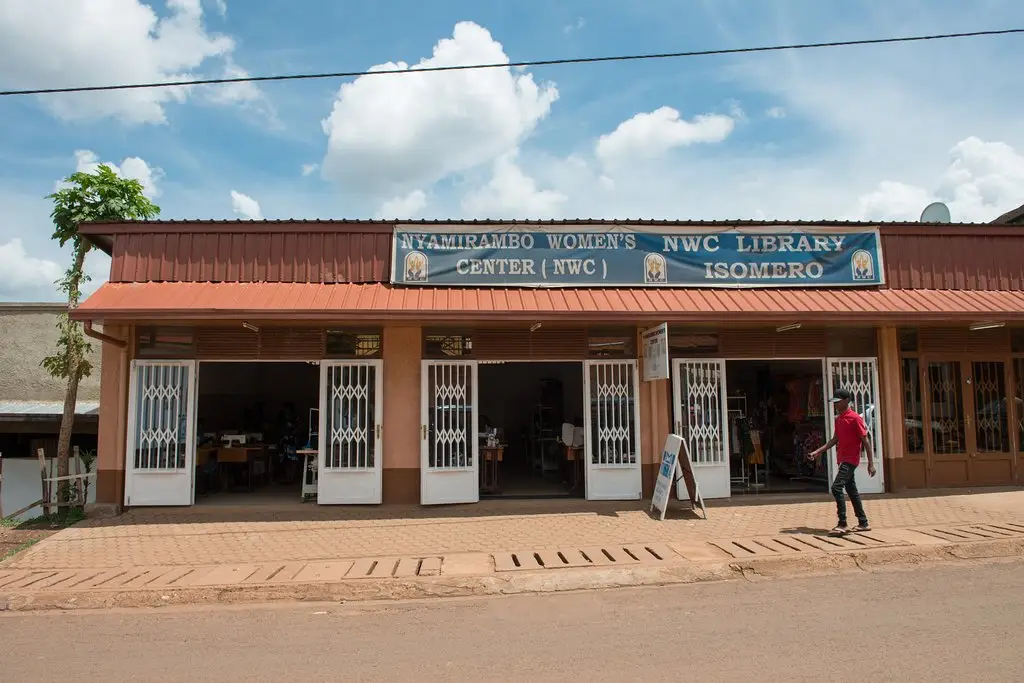
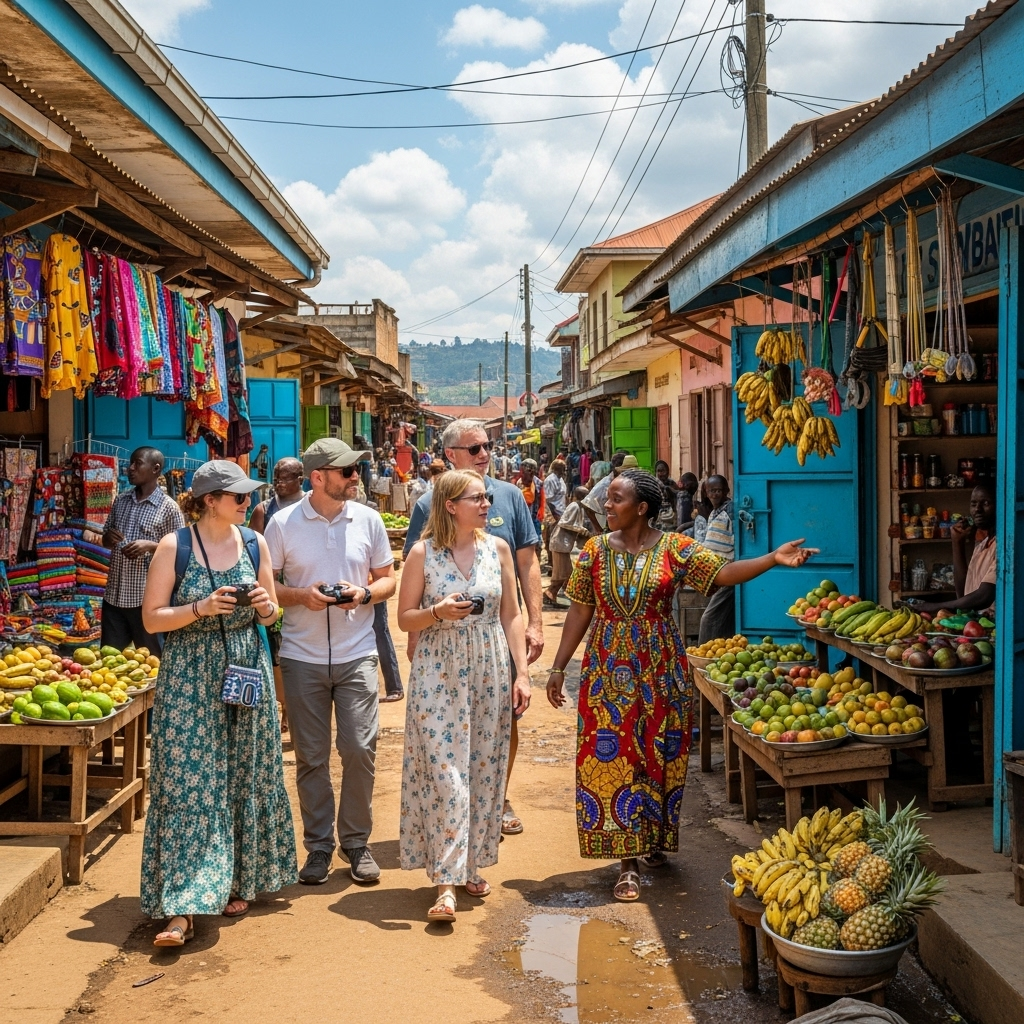
You meet your guide outside the Nyamirambo Women's Center on KN 7 Avenue, a low building with yellow walls and a painted mural visible from the main road. She introduces herself in English or French, confirms your walking pace, and explains the route: two hours covering roughly three kilometers, with frequent stops.
You begin by descending into the residential heart of the quarter, passing children in school uniforms and women carrying jerrycans of water up steep lanes.
The first stop is a tailor's workshop where four seamstresses operate pedal-powered machines beneath a tin roof. Your guide translates as the owner describes how she sources fabric from Kampala and fulfills orders for school uniforms, church robes, and wedding attire. You move next to a beauty salon where the stylist demonstrates traditional hair braiding techniques and explains the social function of salons as informal news hubs. The Biryogo market follows: narrow aisles of tomatoes, cassava, dried fish, and fresh herbs, vendors calling prices in Kinyarwanda. Your guide pauses to buy sugarcane and hands you a peeled stalk to chew as you walk.
The route concludes at the main mosque, a modest structure with a green-painted minaret. If prayer time allows, you step inside to view the carpeted interior. Your guide offers tea at a roadside stand, answers final questions, and walks you back to the center. The entire experience unfolds at neighborhood pace, unhurried and conversational, with no fixed script.
All the details about your upcoming adventure in one place
The Nyamirambo Women's Center launched its signature walking program in 2007 with five guides and a single route through Kigali's Muslim Quarter.
Today the cooperative operates seven distinct itineraries that bring visitors into tailor shops, beauty salons, produce markets, and family-run textile studios across the oldest continuously inhabited neighborhood in the capital. What began as an income-generating project for genocide survivors has become the blueprint for community-led tourism across East Africa, proving that economic development and cultural preservation can advance in tandem when local residents control the narrative.
Nyamirambo sprawls across the western hills of Kigali, a dense grid of unpaved lanes and corrugated-roof homes that predates the colonial era. The quarter absorbed successive waves of Swahili traders, Congolese musicians, and Rwandan Muslims who established the city's first mosque in 1913. Unlike the planned boulevards of the central business district, Nyamirambo retains the organic layout of a hillside settlement where commerce and domestic life overlap: a seamstress operates from her front step, a mechanic repairs motorcycles beneath a eucalyptus tree, children play football in alleys that double as market aisles during morning hours. The neighborhood's reputation as the cultural heart of Kigali rests on this layered informality, a texture that guided tours reveal in granular detail.
The Nyamirambo walking tour Kigali operates as a cooperative enterprise. Guides receive a fixed percentage of each ticket, with remaining revenue funding literacy classes, micro-credit programs, and healthcare subsidies for center members. Routes vary by guide preference and visitor interest, but most include stops at the Biryogo produce market, the main mosque, a traditional basket weaving workshop, and at least two small businesses where the owner explains their trade in Kinyarwanda or French. The center discourages photography without permission and asks visitors to purchase goods directly from artisans rather than middlemen. This ethic of reciprocal exchange distinguishes the tours from standard sightseeing circuits; you are expected to engage, ask questions, and leave a portion of your travel budget inside the neighborhood economy.
Kigali's urban planning authority designated Nyamirambo a heritage conservation zone in 2019, restricting high-rise development and mandating that new construction respect the scale and materials of older buildings. The designation followed years of advocacy by the women's center and local cooperatives, who argued that the neighborhood's informal architecture and mixed-use character constitute a form of cultural infrastructure worth protecting. Visitors who walk the quarter in 2026 encounter a rare urban landscape in a capital otherwise defined by rapid modernization: hand-painted shop signs, outdoor bread ovens, open-air butcheries, and unmetered taxi-motos that negotiate fares in real time. The tours foreground these details not as picturesque relics but as living economic systems that sustain thousands of families.

What began as an income-generating project for genocide survivors has become the blueprint for community-led tourism across East Africa.
Modest clothing is recommended out of respect for local customs, particularly when visiting mosques in the area.
Carry minimal personal items as you will be navigating busy market streets and local neighborhood alleyways.
Always ask permission before photographing residents or local children; shop owners generally appreciate being asked before murals or goods are documented.
The tour is welcoming to families, though it involves walking that may be challenging for very young children.
The walking tour involves traversing hilly terrain and unpaved paths; please be prepared for moderate physical activity.
The standard tour includes a traditional snack at the beginning; other refreshments purchased from vendors are at your own expense.
Opening hours
09:00–17:00
Address
KN 7 Avenue, Nyamirambo, Kigali, Rwanda
Accessibility
Walking terrain includes hilly streets
Best arrival window
09:00–14:00
Storage
Not available for large bags
Meeting point
Nyamirambo Women's Center
Full refunds are typically available for cancellations made within the operator's specified advance window. The 15,000 RWF community walking tour fee supports local employment and center initiatives.
Recommended time
3 hours
To experience the vibrant local culture of the nyamirambo walking tour kigali, plan for a three-hour journey through the district. Arriving during the best arrival window of 09:00–14:00 ensures you can engage with local businesses while shops are fully active. This Kigali community tour takes you past hair salons and tailors, so choosing morning slots helps avoid the midday heat. Consider these nyamirambo walking tour kigali tours as a way to observe authentic daily life before the crowds peak in the afternoon.
Crowd levels through the day
Nyamirambo emerged in the early twentieth century as Kigali's first Muslim quarter, shaped by Swahili traders who arrived from the East African coast. By the 1930s, the neighborhood had become a commercial hub where merchants from Zanzibar and Mombasa established mosques, shops, and artisan workshops. The district's name derives from the Kinyarwanda phrase meaning "place of rubbish," a reference to its initial status as a settlement outside the colonial administrative core. French and Belgian planners confined indigenous Rwandans and Muslim migrants to this zone while reserving hilltop areas for European residences. The Nyamirambo walking tour Kigali visitors now experience traces its roots to this multi-ethnic foundation. The 1994 genocide devastated the neighborhood. Thousands of Tutsi families sought refuge in Nyamirambo's mosques, protected by Muslim community leaders who refused to distinguish residents by ethnicity. The Grande Mosquée de Kigali sheltered over six hundred people during the hundred days of violence. After the war, Nyamirambo became a symbol of reconciliation. Survivors and returnees rebuilt homes, reopened markets, and revived the tailoring ateliers that had defined the quarter's economy since the 1950s. By 2006, local women formed the Nyamirambo Women's Center to preserve traditional crafts and generate income through cultural tourism. The community walking tour launched in 2009 as a cooperative venture managed by the Women's Center. Guides lead visitors through the labyrinth of narrow lanes, past the neighborhood's four historic mosques, the Nyamirambo Stadium, and the vibrant Biryogo market. The tour sustains fifty local families through direct employment and commissions paid to artisans whose workshops appear on the route. Today, the nyamirambo walking tour kigali tours attract researchers, diplomats, and travelers seeking authentic engagement beyond the capital's polished memorials. The 15,000 RWF fee funds literacy programs and micro-enterprise loans, ensuring the neighborhood's story remains in the hands of its residents.
Swahili traders from Zanzibar establish Nyamirambo as Kigali's Muslim quarter, founding the first mosques and commercial workshops.
The neighborhood becomes renowned for tailoring and textile crafts, with master artisans training apprentices in traditional Rwandan and Swahili garment techniques.
Nyamirambo's mosques shelter Tutsi refugees during the genocide; Muslim leaders protect over six hundred residents regardless of ethnicity.
Survivors form the Nyamirambo Women's Center to revive crafts and create economic opportunities through cooperative enterprise.
The community launches the nyamirambo walking tour kigali, a resident-led initiative managed by the Women's Center.
Tour revenue funds literacy programs, healthcare access, and microloans, supporting fifty local families and preserving the neighborhood's multicultural heritage.
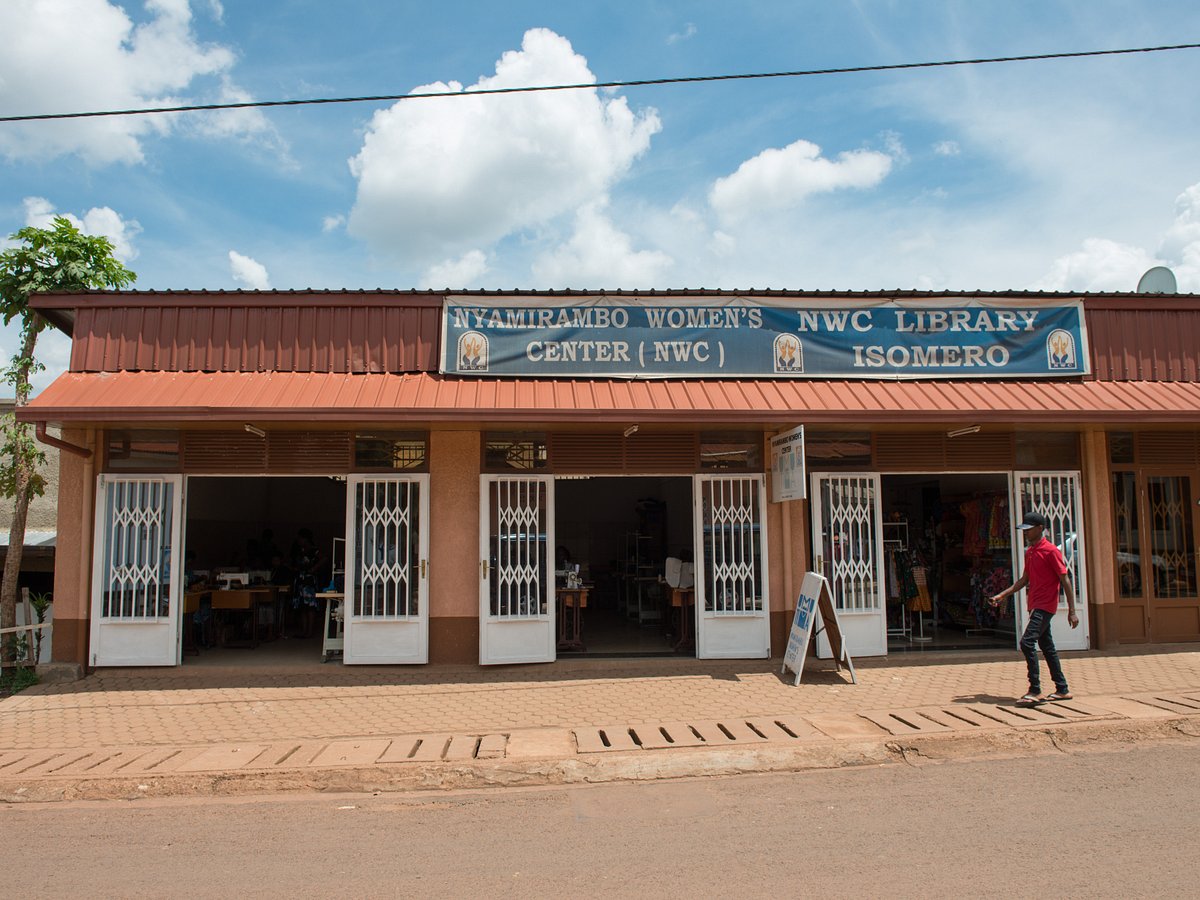
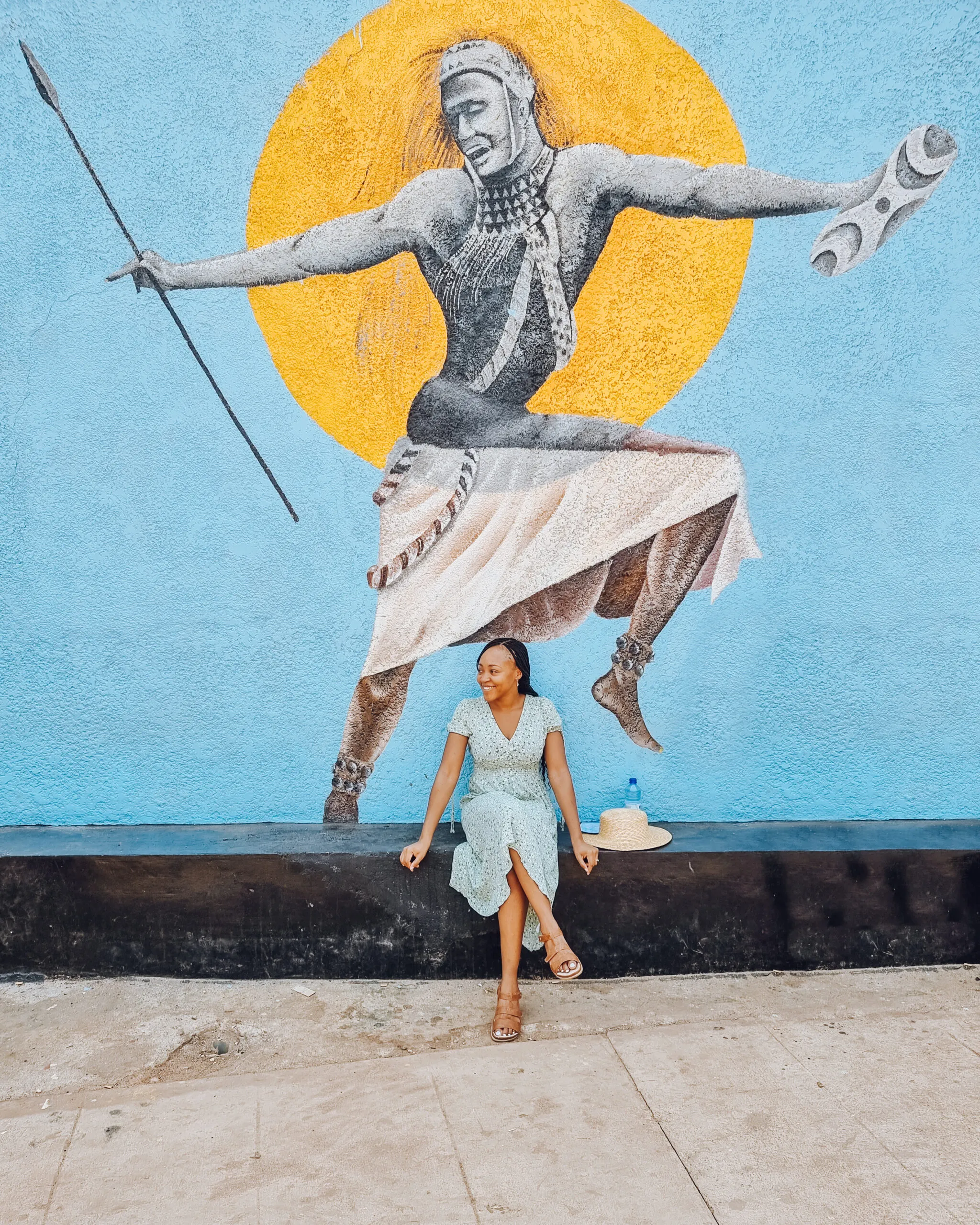
Capture the vibrant exterior and local artisan displays at this community hub, which serves as the starting point for your nyamirambo walking tour kigali.
Exploring the neighborhood through a nyamirambo walking tour kigali offers families a direct window into local Rwandan daily life. This cultural journey allows children to observe community craft centers and artisan workshops in an authentic urban setting.
The hilly terrain and uneven sidewalks of this Kigali neighborhood tour make strollers impractical; a carrier is recommended for younger children.
This experience is most suitable for children aged 8 and older who can manage the walking distance and engage with the cultural sites during the nyamirambo walking tour kigali tours.
There are no public baby-change facilities available along the route, so families should plan accordingly before departing from the office.
The tour involves consistent walking through local streets, making it important to pace yourself to ensure the experience remains enjoyable for younger participants interested in the nyamirambo walking tour kigali tickets.
Children will enjoy interacting with local community members and seeing traditional weaving, though parents should prepare for a sensory-rich environment during this authentic kigali neighborhood tour.
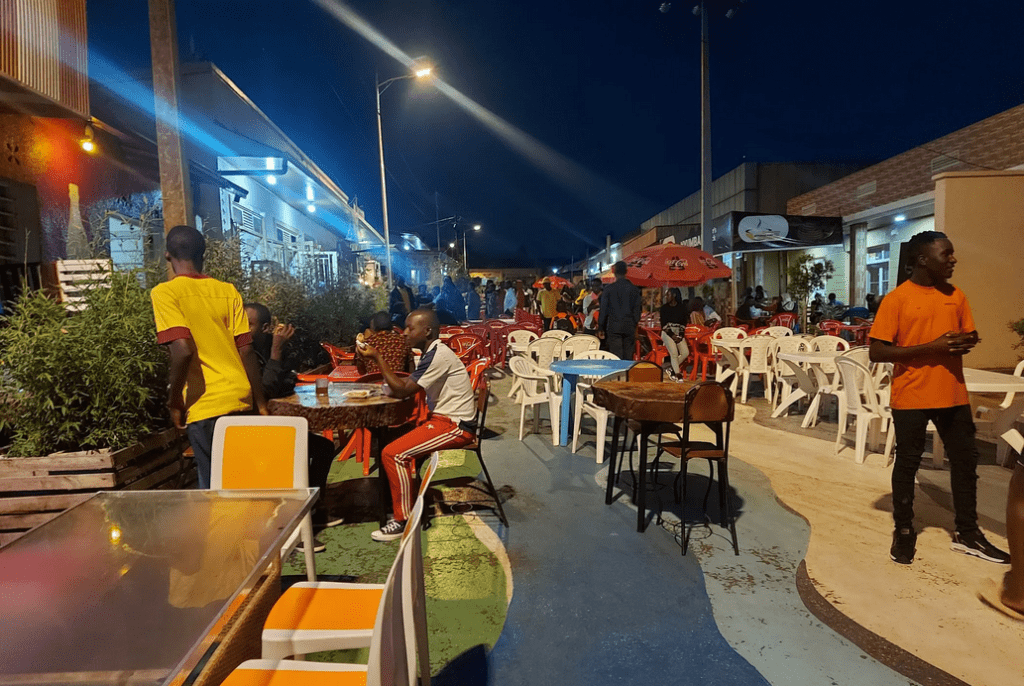
Exploring the neighborhood near the nyamirambo walking tour kigali reveals a vibrant culinary scene filled with authentic Rwandan flavors. After you finish the Kigali community tour, numerous local eateries are available within a short walk to sample regional staples.
Located at the Nyamirambo Women's Center, this spot serves traditional Rwandan dishes prepared by local women; perfect for a post-walk lunch.
Everything you need to know for your journey
The center is open Monday through Saturday from 09:00–17:00 and is closed on Sundays.
The community walking tour fee is 15,000 RWF per person.
The route includes hilly streets and is best suited for those comfortable with moderate walking.
Yes, but please keep belongings minimal as you will be walking through busy market areas.
The best arrival window is 09:00–14:00 to ensure you can visit businesses while shops are active.
Please dress modestly to respect local customs, especially near mosques.
The tour provides a traditional snack; you may carry water, but please dispose of waste properly.
The meeting point is at KN 7 Avenue, Nyamirambo; local taxis or motos are the most efficient transit methods.
Yes, families are welcome, but be mindful of the physical nature of the walking tour.
Refunds depend on the operator's policy for the 15,000 RWF fee; check your booking confirmation for specifics.
Join thousands of happy travelers who have discovered this incredible experience
Book Your Experience Now