2 hr 30 min
Kigali Walking Experience with Local Expert
- Entry ticket
- Mobile voucher
- Valid same day
- Free cancellation
Kigali Walking Tour — Guided Routes & Self-Guided Paths
Boulevards of reconciliation, markets humming with colour
Compare fares, pick the fit — all bookings are mobile-voucher and eligible for free cancellation where shown.
2 hr 30 min
2 hr
2 hr
| Experience | Duration | Rating | Pickup | Skip-the-line | Guide | Free cancel. | Price | |
|---|---|---|---|---|---|---|---|---|
|
Standard Entry
Most popular
Kigali Walking Experience with Local Expert
|
2 hr 30 min | ★ 4.8 | — | — | ✓ | ✓ | $30 | Book → |
|
Guided Experience
Kigali Guided Walking Experience
|
2 hr | ★ 5.0 | — | ✓ | ✓ | ✓ | €25 | Book → |
|
Standard Entry
Mount Kigali Hike & Village Cultural Experience
|
2 hr | ★ 4.8 | ✓ | — | ✓ | ✓ | $35 | Book → |
Hand-picked experiences loved by thousands of travelers
4 hours
Free Cancellation
Explore Rwanda's heritage, vibrant markets, and stunning city views on this comprehensive private tour
3 hours
Free Cancellation
Journey through Rwanda's capital on foot, exploring memorials, bustling markets, and local neighborhoods
4 hours
Free Cancellation
Explore Rwanda's capital on foot through rolling hills, vibrant markets, and historic sites
6 hours
Free Cancellation
Discover Rwanda's capital on foot: markets, memorial sites, neighborhoods, and mountain trails
4 to 7 hours
Free Cancellation
Immerse yourself in Rwanda's capital through its memorials, markets, art scene, and vibrant neighborhoods
3 hours
Free Cancellation
Explore Rwanda's capital on foot, uncovering local stories, historic sites, and authentic neighborhoods
3 hours
Free Cancellation
Step off the beaten path to experience authentic daily life across Kigali's vibrant districts
8 hours
Free Cancellation
Discover Rwanda's capital through historic sites, local markets, authentic cuisine, and stunning hilltop vistas
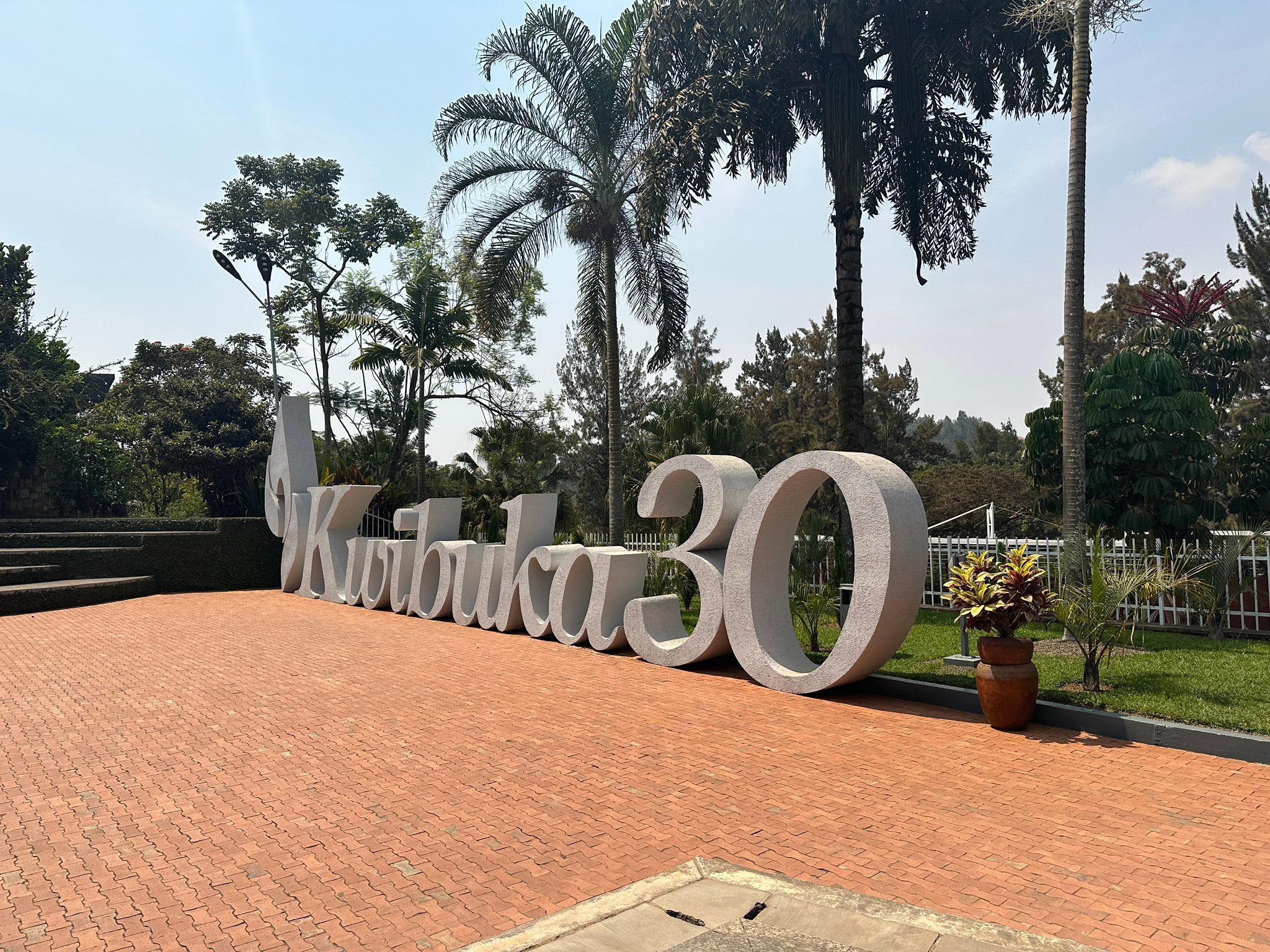
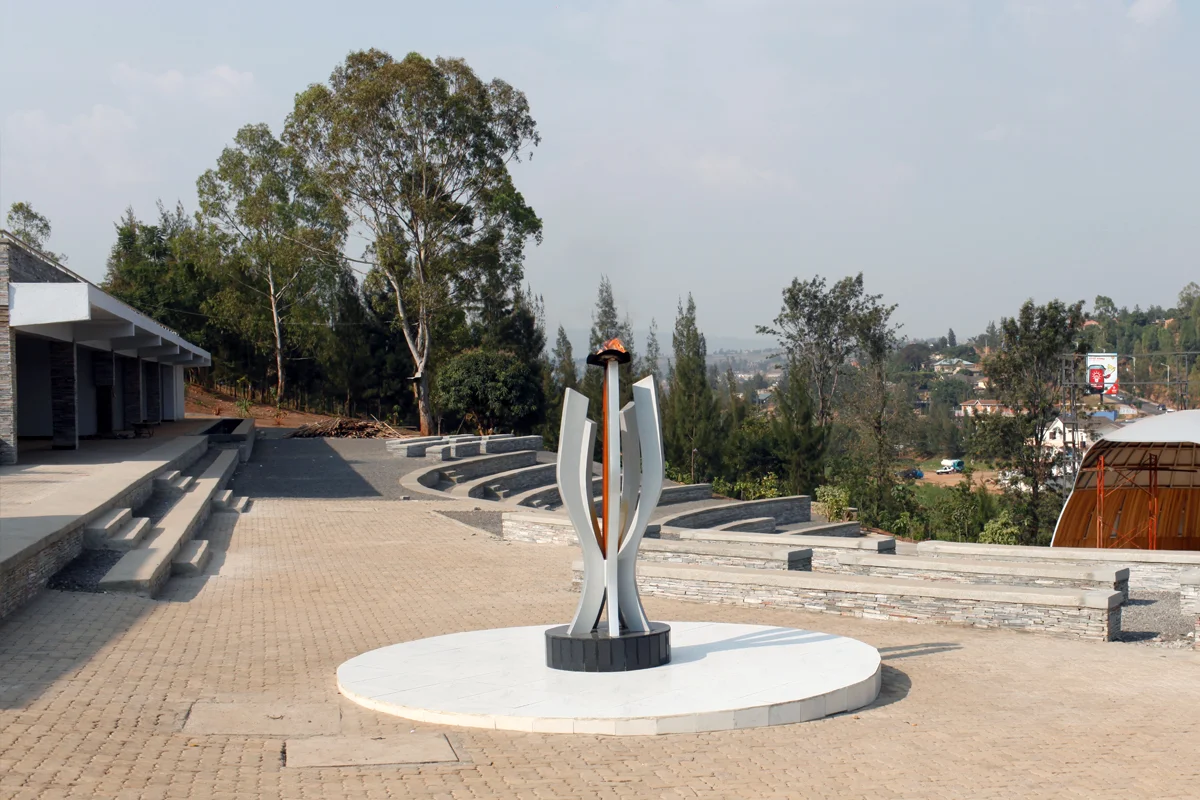
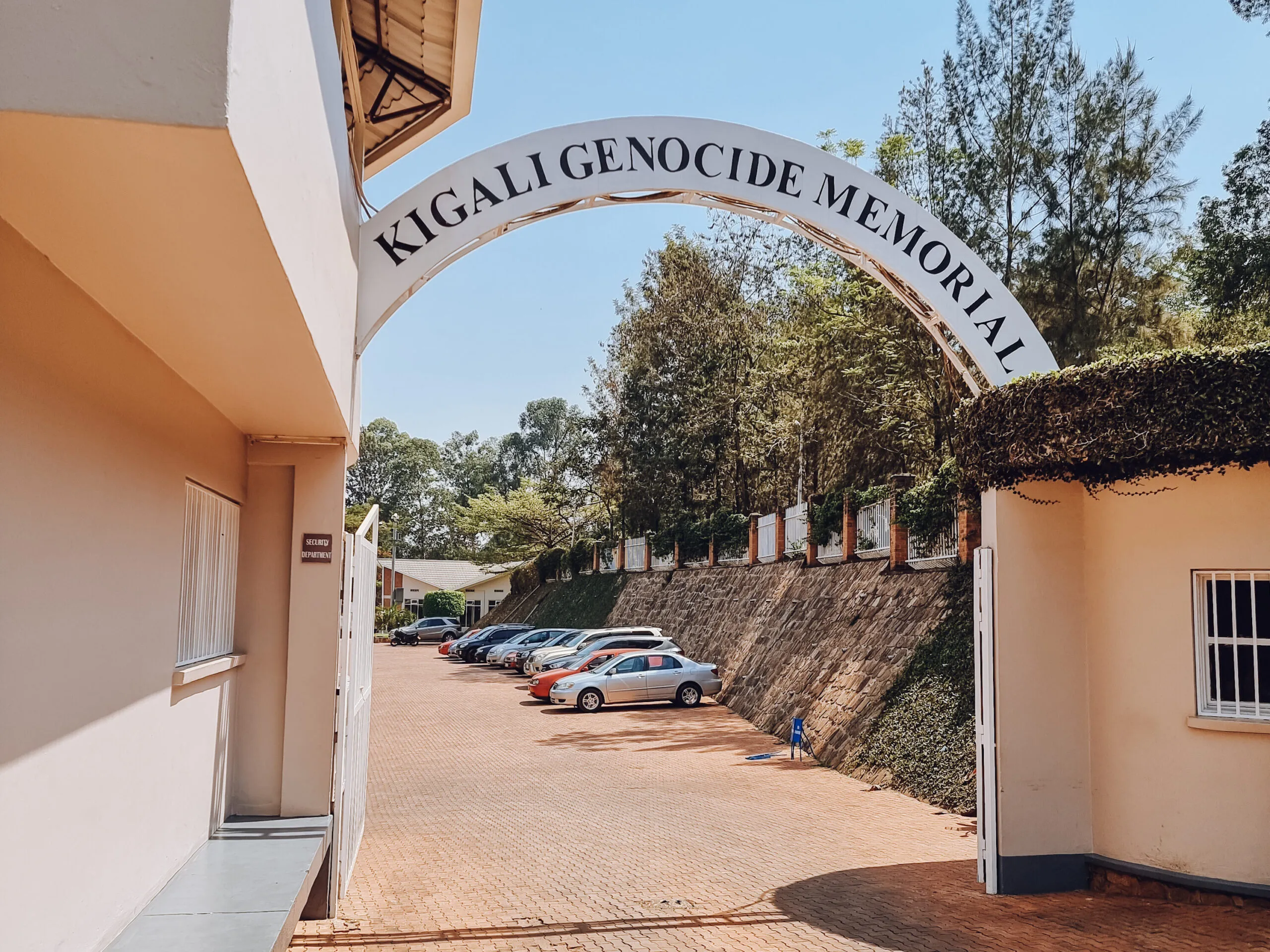
A solemn site honoring victims and documenting the 1994 genocide against the Tutsi with 250,000 victims buried here.
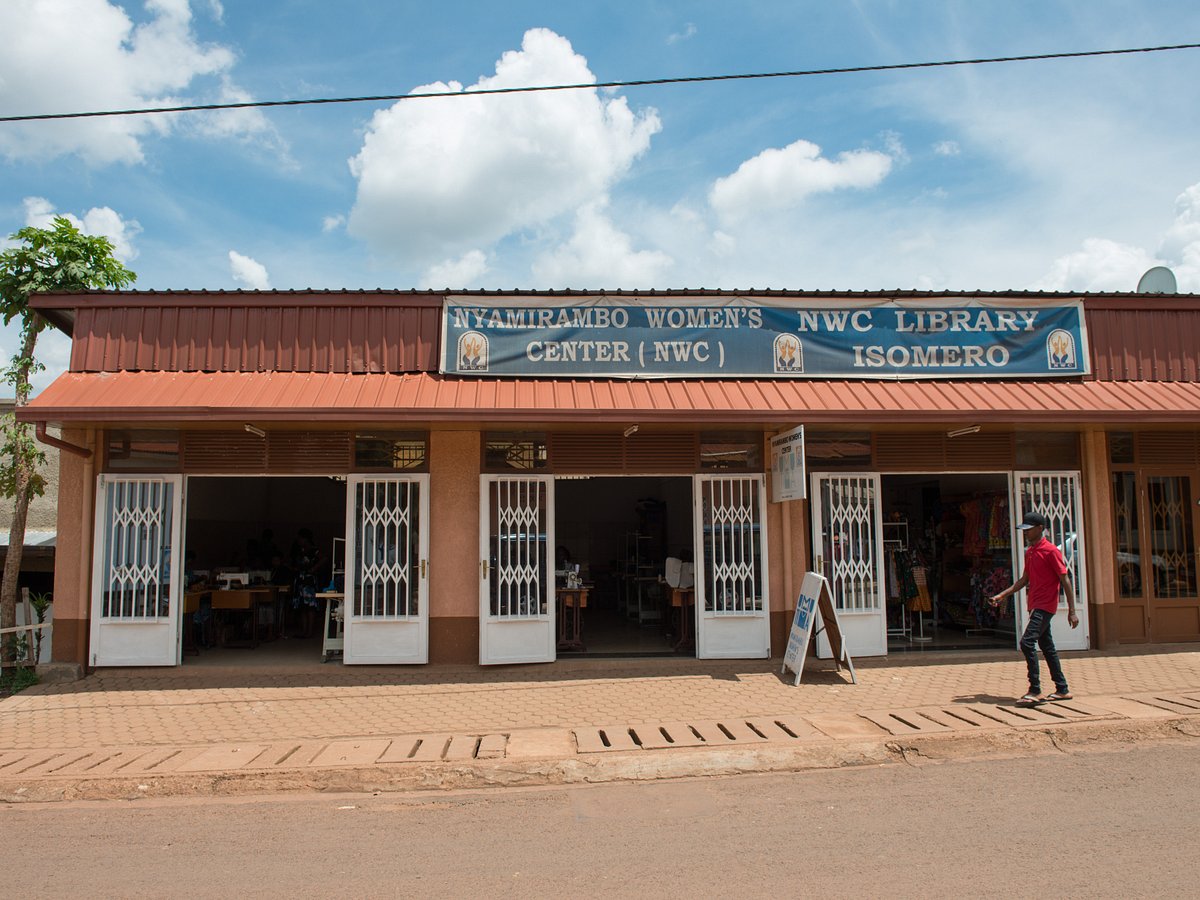
An NGO founded in 2007 by 18 women to address gender inequality through vocational training and education.
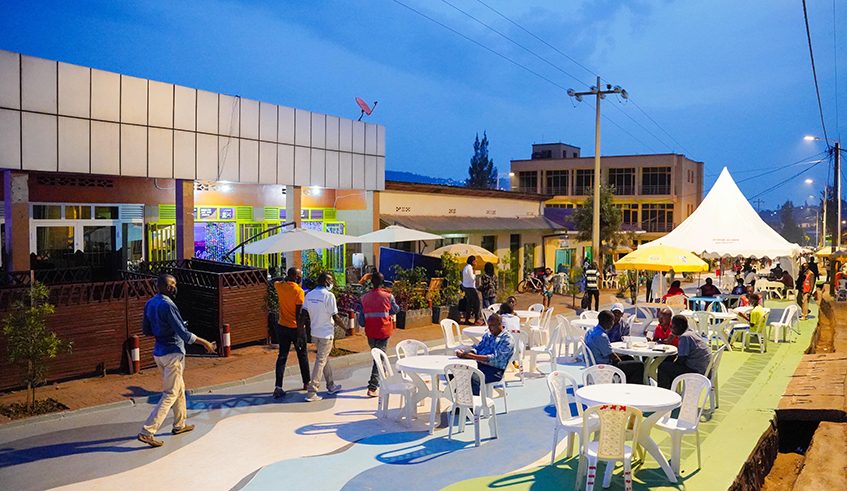
A vibrant, pedestrian-only street known for traditional milk bars and local Rwandan culinary culture.
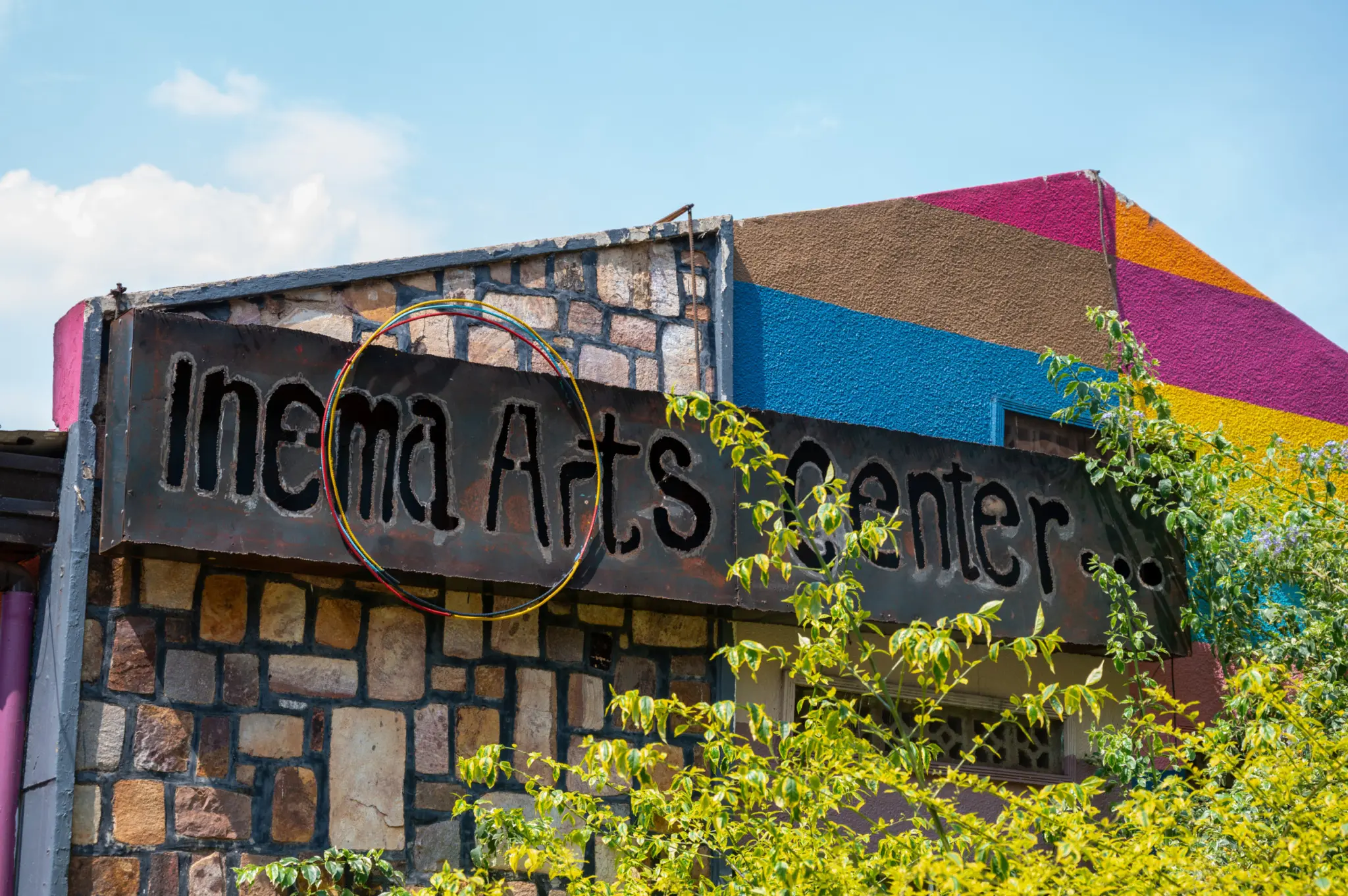
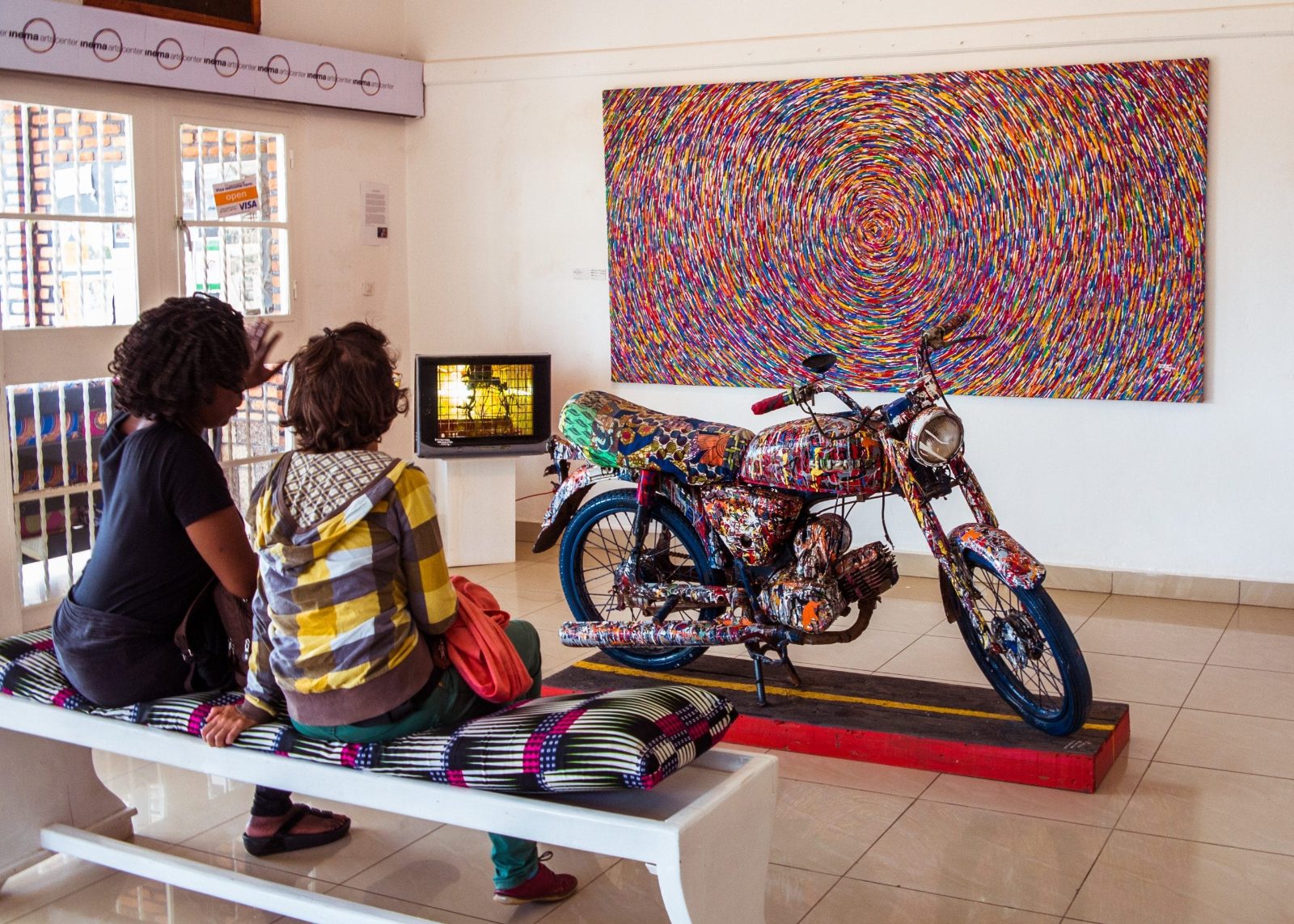
A contemporary art space founded in 2012 by brothers Innocent Nkurunziza and Emmanuel Nkuranga to showcase local creativity.
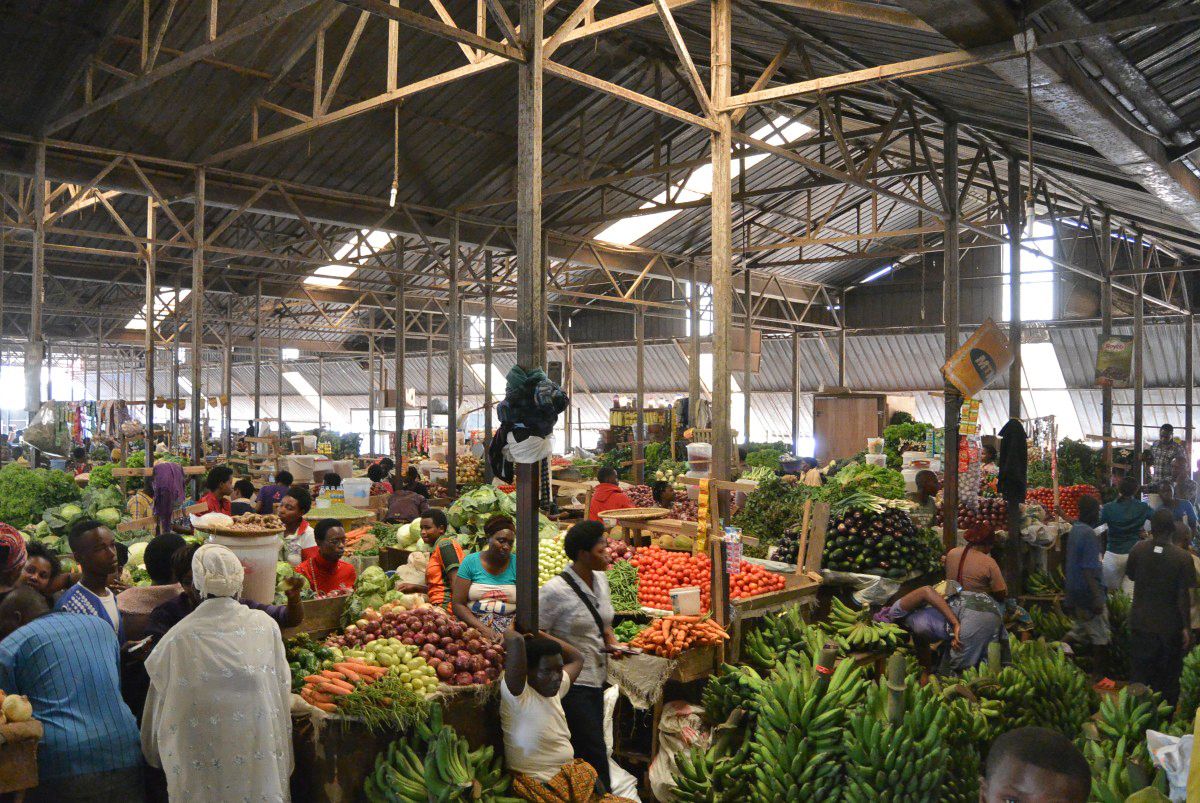
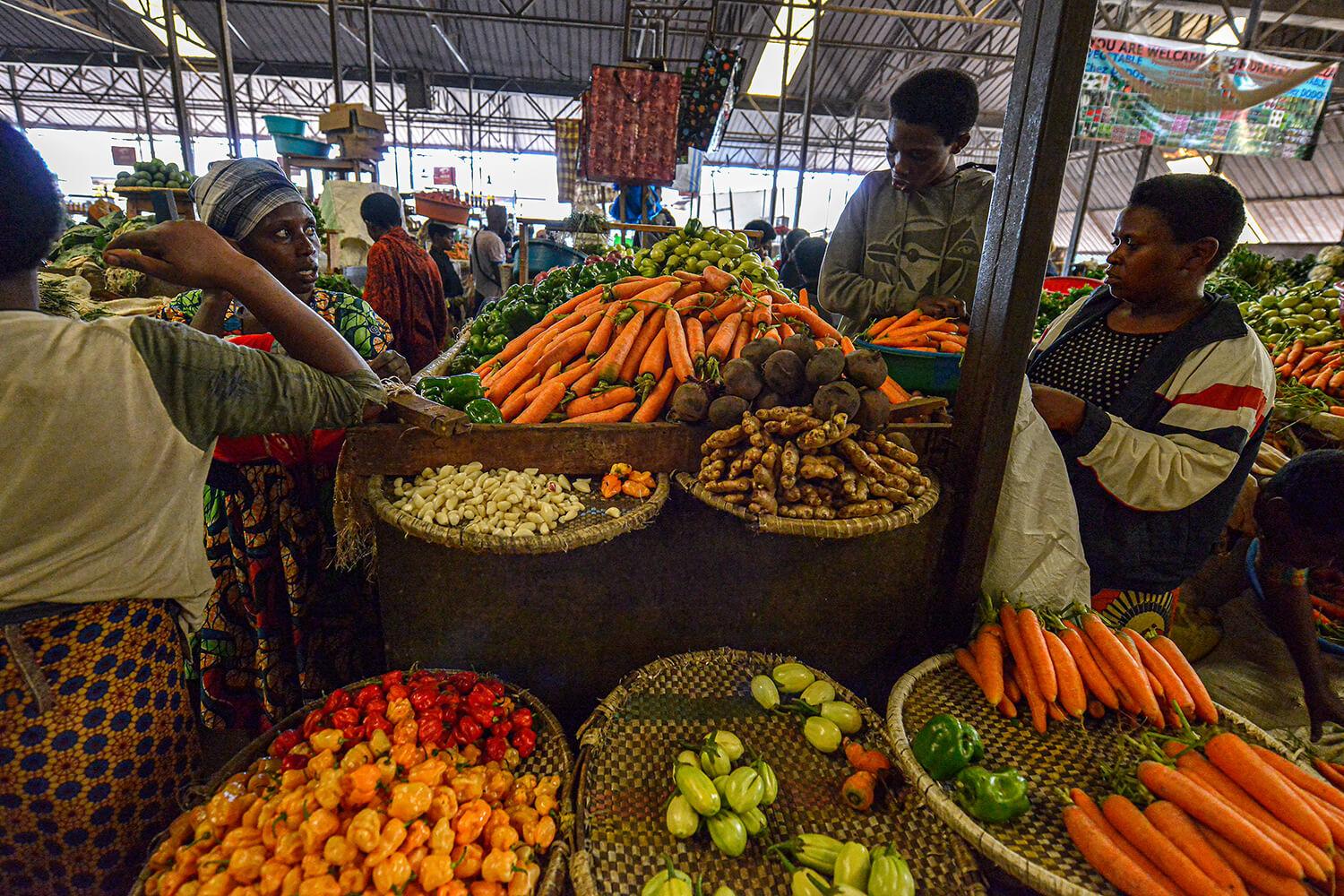
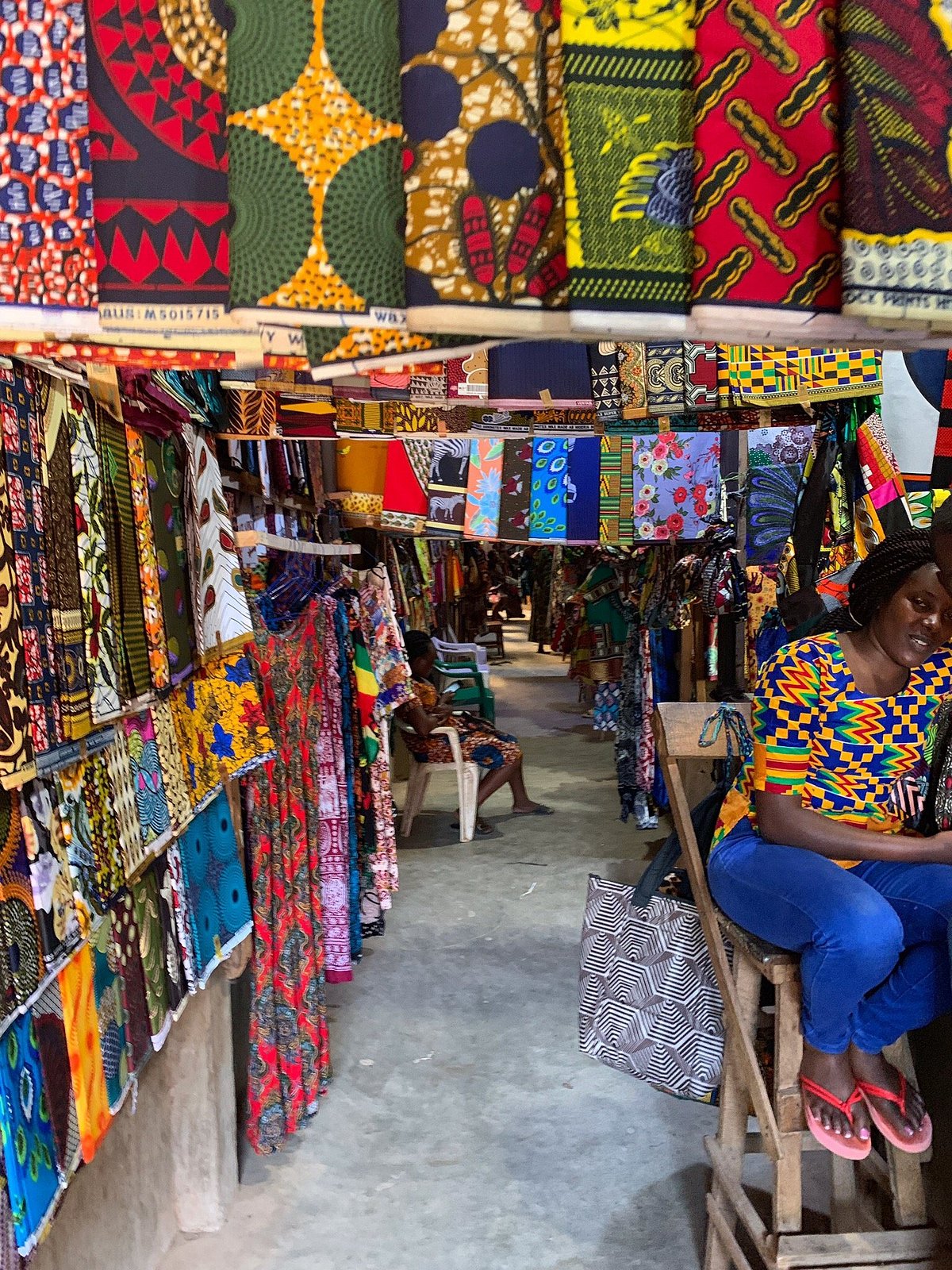
The city's busiest marketplace, housing a diverse array of fresh produce, colorful fabrics, and handcrafted household goods.
You start at the Kigali Genocide Memorial at 09:00, when morning light slants through the jacaranda grove. The entrance is free; guided tours run every 30 minutes in English, French, and Kinyarwanda. You move through the exhibition halls in silence, voices kept to whispers, cameras lowered.
The children's room stops you — photographs, stuffed animals, school uniforms behind glass. Outside, you walk the memorial wall where 250,000 names are etched in limestone.
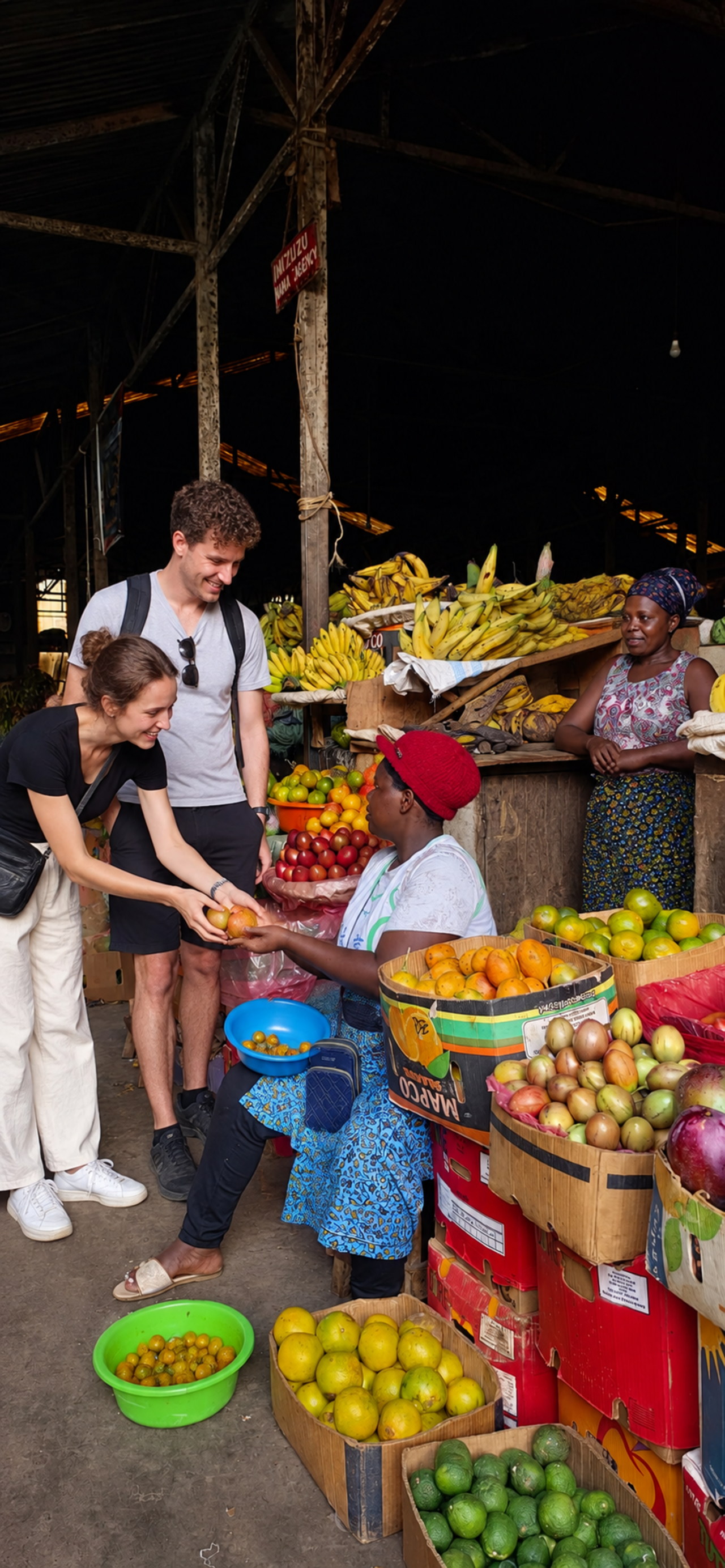
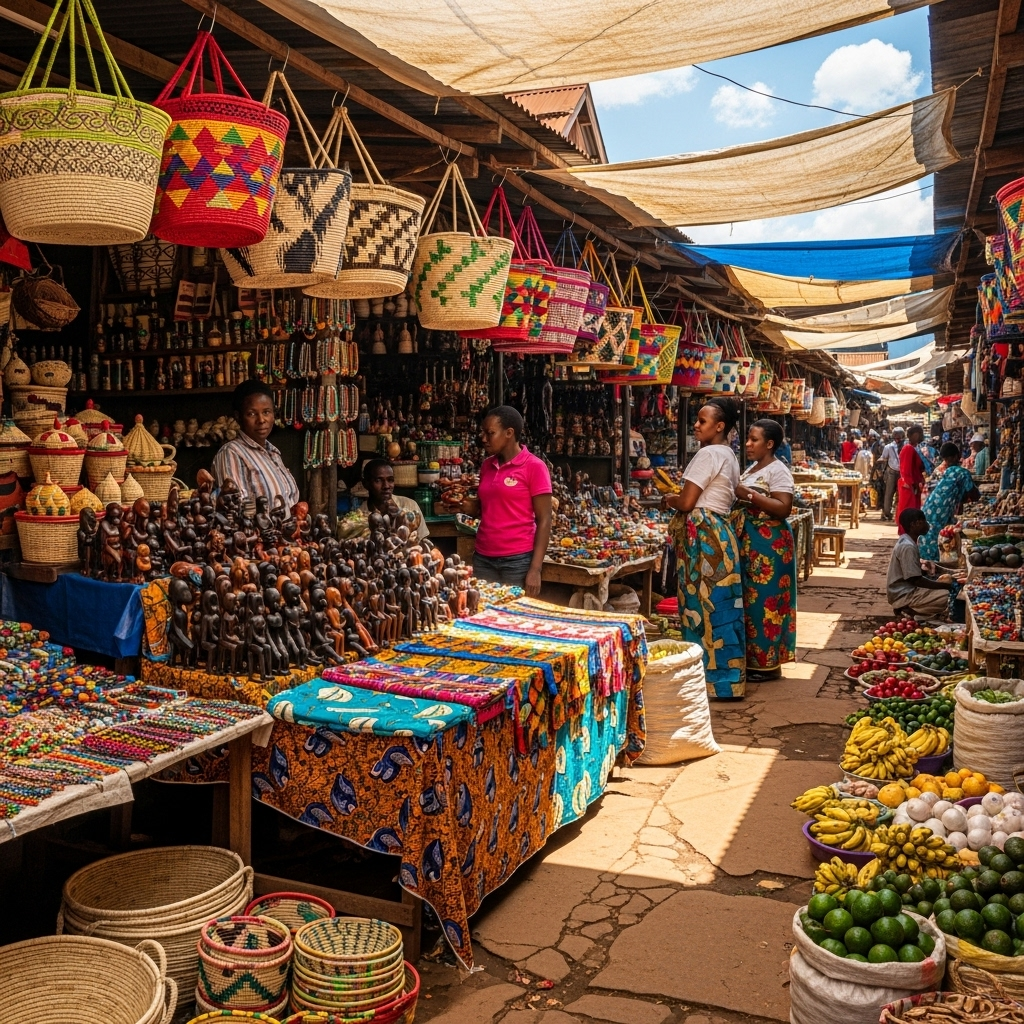
By 11:00 you reach Kimironko Market, a 20-minute moto-taxi ride northeast. The produce aisles smell of earth and overripe papaya. Vendors offer samples of roasted peanuts, sliced pineapple, fresh passion fruit juice poured into plastic bags with straws. You buy a woven basket for 5,000 Rwandan francs, haggling gently in broken French. The fabric hall overwhelms with colour — indigo prints from Kampala, Congolese wax cloth, rolls of kitenge stacked to the rafters.
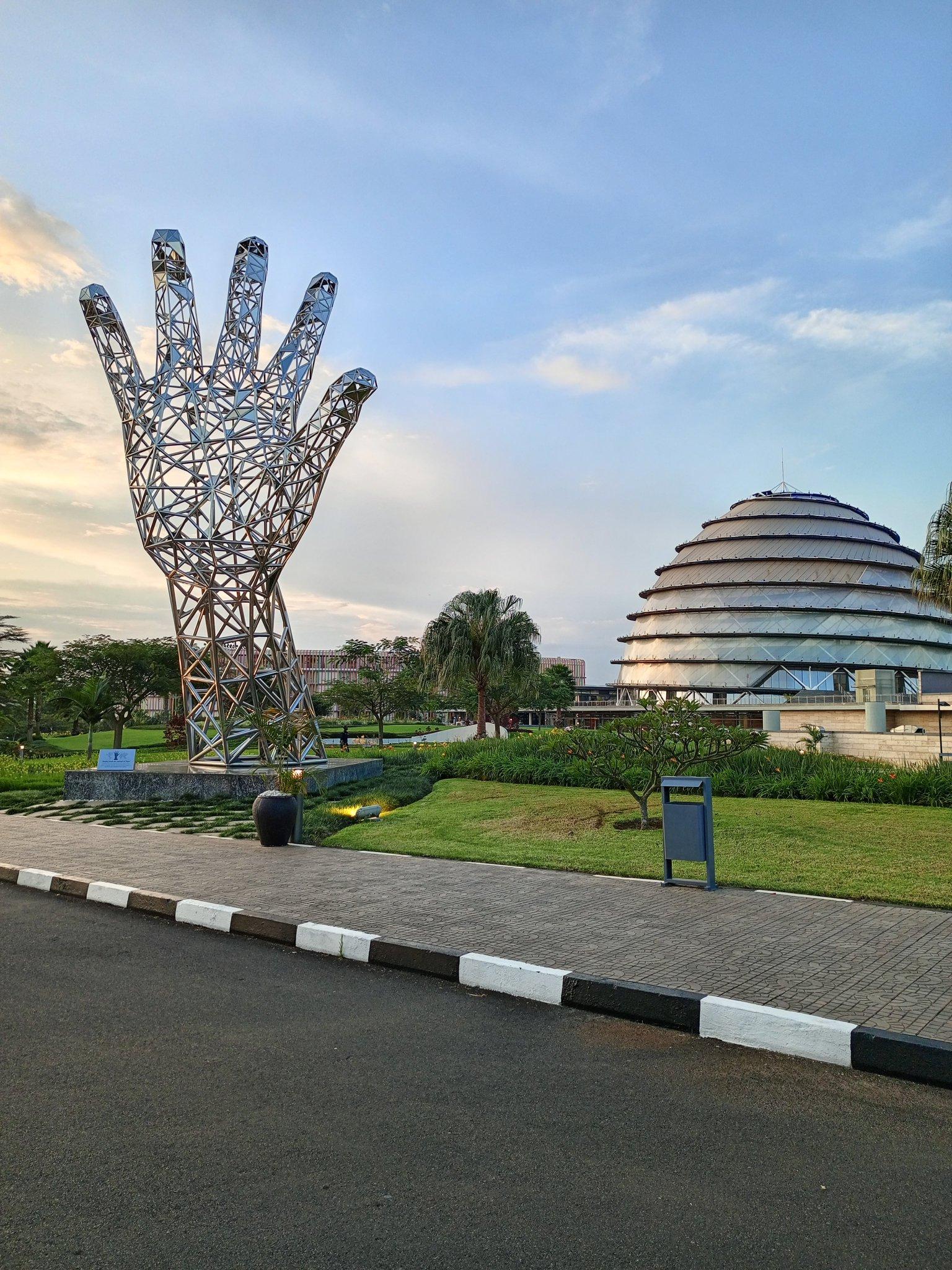
Afternoon brings you to the Convention Centre terraces, where Kigali spreads below in copper roofs and green hills. The dome reflects clouds. You sit on a bench, count the cranes dotting the skyline, and watch schoolchildren chase each other across the public lawns. By 17:00 the city hums with motorcycles and closing shops, and you descend into the evening rush.
All the details about your upcoming adventure in one place
A kigali walking tour connects you with Rwanda's capital through guided walks across historic boulevards, memorial sites, and vibrant craft markets. These Kigali city tours blend contemporary urban culture with poignant heritage, led by local guides who share firsthand perspectives on the nation's resilience. Book kigali walking tour tickets to experience the green hills, bustling neighborhoods, and innovation hubs that define modern East Africa.
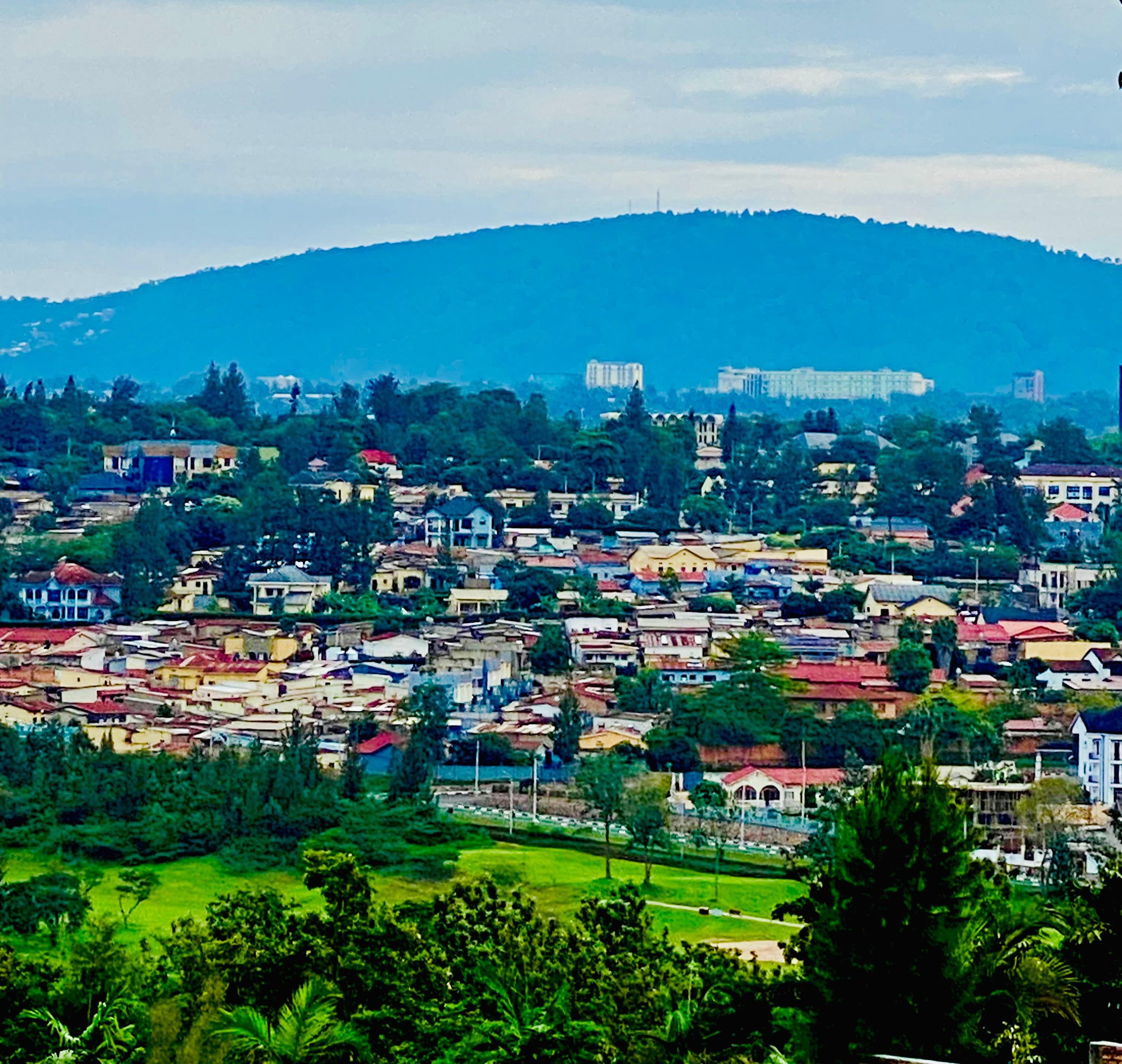
Kigali was rebuilt from ash and silence. In 1994, the city held fewer than 300,000 residents; today it shelters 1.2 million, spread across a dozen hills that roll like green knuckles above the Nyabarongo basin.
The boulevards are swept daily, plastic bags banned since 2008, and street lighting runs on solar grids installed by the Rwanda Energy Group. This is the cleanest capital in Africa — a deliberate, legislated transformation.
The Kigali Genocide Memorial sits on Gisozi Hill, final resting place for over 250,000 victims. Its rose gardens and limestone walls were designed by British architect John McAslan, opened in 2004 to anchor national memory. Visitors walk chronologically through three permanent exhibitions: pre-colonial Rwanda, the 100 days of 1994, and genocide as global phenomenon. The children's room holds photographs and last words. Outside, mass graves lie beneath manicured lawns where schoolchildren plant trees each April.
Kimironko Market sprawls across three hectares in the city's northeast quadrant, open since the 1960s and rebuilt in 2015 with steel canopies and concrete aisles. Two thousand vendors sell everything from woven agaseke baskets to smuggled Congolese fabrics. The produce hall runs 200 metres long, bananas hung in green curtains, cassava piled waist-high. Prices are fixed by the market cooperative; bargaining is rare. Kinyarwanda and French dominate, English creeping in through university students who work weekend stalls.
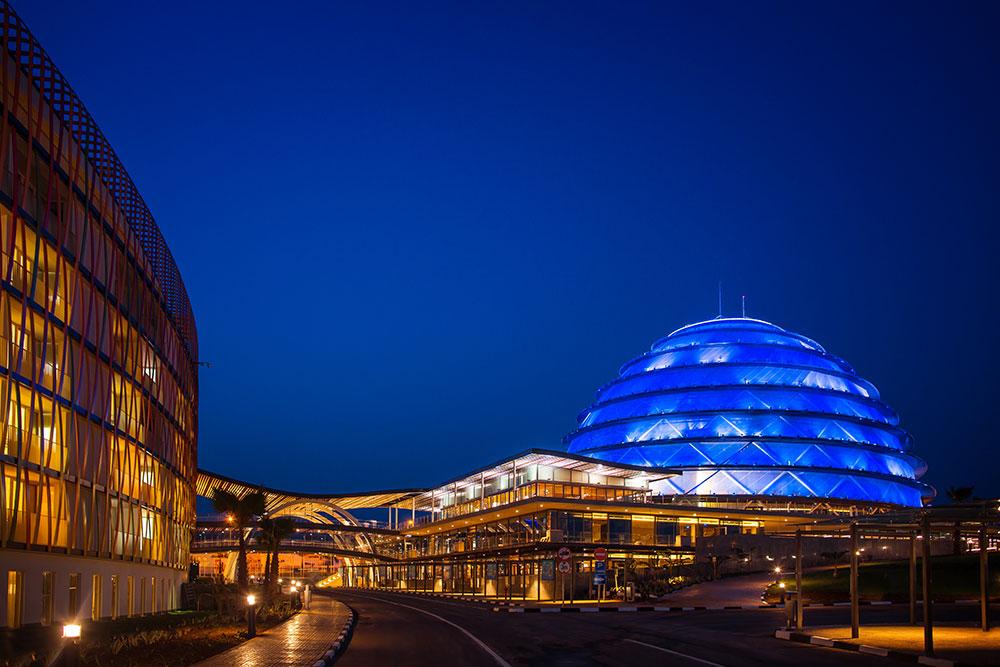
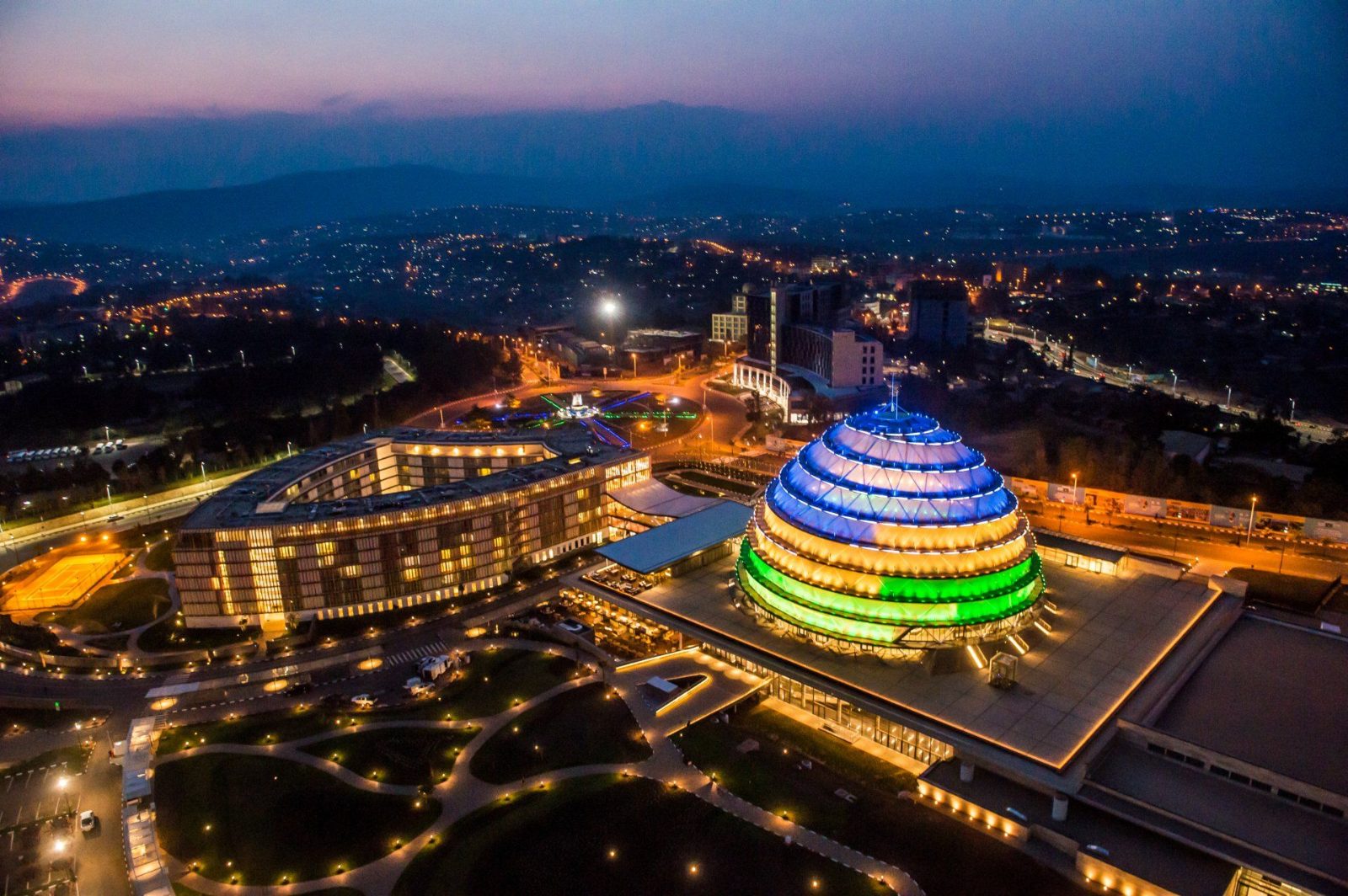
The Convention Centre, opened in 2016 by President Kagame, crowns Kigali Heights with a dome clad in recycled aluminium. Japanese architect Fumihiko Maki drew the circular assembly hall to echo traditional court gatherings. The building hosts African Union summits and tech conferences; its terraces overlook downtown's glass towers and the distant Virunga volcanoes. Free entry is granted to the public gardens daily from 09:00 to 17:00, the same hours that frame most Kigali city guided walking tour itineraries. Self-guided routes remain accessible at no charge.
Kigali was rebuilt from ash and silence.
Modest, comfortable clothing is recommended for a kigali walking tour, covering shoulders and knees out of respect for local customs. Avoid bright reds or dark blues which may attract insects, and prioritize breathable fabrics.
Keep belongings minimal during your kigali walking tour by using a small, secure daypack. Rwanda maintains strict policies, and single-use plastic bags are prohibited throughout the country.
Photography is generally encouraged during a kigali walking tour, especially at viewpoints and markets. Always ask for permission before taking close-up portraits of local residents or vendors.
A kigali walking tour can be adapted for families, though long walks on hilly terrain may be challenging for very young children. Ensure kids have sturdy footwear and adequate sun protection.
Most paths for a kigali walking tour involve steep inclines and uneven sidewalks, making them unsuitable for travelers with limited mobility. Visitors should be prepared for significant physical exertion due to the city's elevation.
Carry a reusable water bottle during your kigali walking tour to stay hydrated. Local culinary experiences, such as sampling street food on a food-focused city tour, are often included or recommended by your guide.
Opening Hours
09:00–17:00
Address
Central Kigali, Rwanda
Accessibility
Varies by route; hilly terrain
Best Arrival
09:00–11:00
Bags
Small daypack recommended
Navigation
Local guide required
Full refunds are typically available for any kigali walking tour if cancelled at least 24 hours before the scheduled start time. Note that while entry to certain public landmarks is free, guided tour fees are paid directly to operators.
Recommended time
3-4 hours
Navigating the hilly terrain of this capital requires a steady pace, making a kigali walking tour the ideal way to observe the city layout. Most visitors find that allocating a half-day allows for meaningful stops at urban landmarks and cultural hubs without feeling rushed. Since kigali walking tour tours often involve navigating steep inclines, starting early helps manage the physical exertion of the climb. You may find that kigali walking tour tickets are not required for self-guided exploration, allowing for a flexible schedule that avoids the midday intensity of the sun.
Crowd levels through the day
Kigali emerged as Rwanda's administrative center in 1907, when German colonial officer Richard Kandt established a residence on the Nyarugenge ridge. The settlement replaced Nyanza as the colonial seat, chosen for its central location and temperate highland climate. Belgian forces seized control in 1916 during World War I, transforming the modest outpost into a formal administrative town by the 1920s. The colonial grid remained sparse, confined to a handful of government buildings and European quarters perched above the valleys. Independence in 1962 brought modest expansion but little architectural ambition. Kigali's population hovered around 6,000, dwarfed by Butare and Gisenyi. The city's trajectory shattered in April 1994, when the genocide against the Tutsi claimed over 800,000 lives nationwide within 100 days. Neighborhoods became killing fields; memorials now mark sites where thousands perished. The Kigali Genocide Memorial, opened in 2004, anchors many Kigali walking tour routes as both witness and education center. Reconstruction after 1994 redrew the capital entirely. President Paul Kagame's government banned plastic bags in 2008, instituted monthly community cleanup days called Umuganda, and enforced strict urban planning codes. The downtown district—once low-slung and informal—acquired glass towers, paved sidewalks, and LED streetlights. By 2010, Kigali earned the UN Habitat Scroll of Honour for cleanliness and order. Visitors on a kigali walking tour today navigate tree-lined boulevards in Nyarutarama, pass the convention center designed by OMA, and ascend Kigali Heights, the nation's tallest building completed in 2016. Yet traces of earlier eras persist. The Belgian-era residential quarter in Nyarugenge retains colonial-era bungalows, now repurposed as offices and cafés. Street vendors still cluster near Nyabugogo taxi park, the chaotic transport hub unchanged in function since the 1970s. Kigali walking tour tickets often include stops at both the genocide memorial and the craft cooperatives in Caplaki, where survivors sell handwoven baskets—a deliberate pairing of memory and renewal that defines the city's modern identity.
German officer Richard Kandt establishes Kigali as colonial administrative seat.
Belgian forces occupy Rwanda and formalize Kigali's colonial grid.
Rwanda gains independence; Kigali becomes national capital with population near 6,000.
Genocide against the Tutsi claims over 800,000 lives; city infrastructure devastated.
Kigali Genocide Memorial opens, becoming central pilgrimage and education site.
Government bans plastic bags and institutes monthly Umuganda cleanup days.
UN awards Kigali the Habitat Scroll of Honour for urban cleanliness and planning.
Kigali Heights tower completed, symbolizing post-genocide economic resurgence.
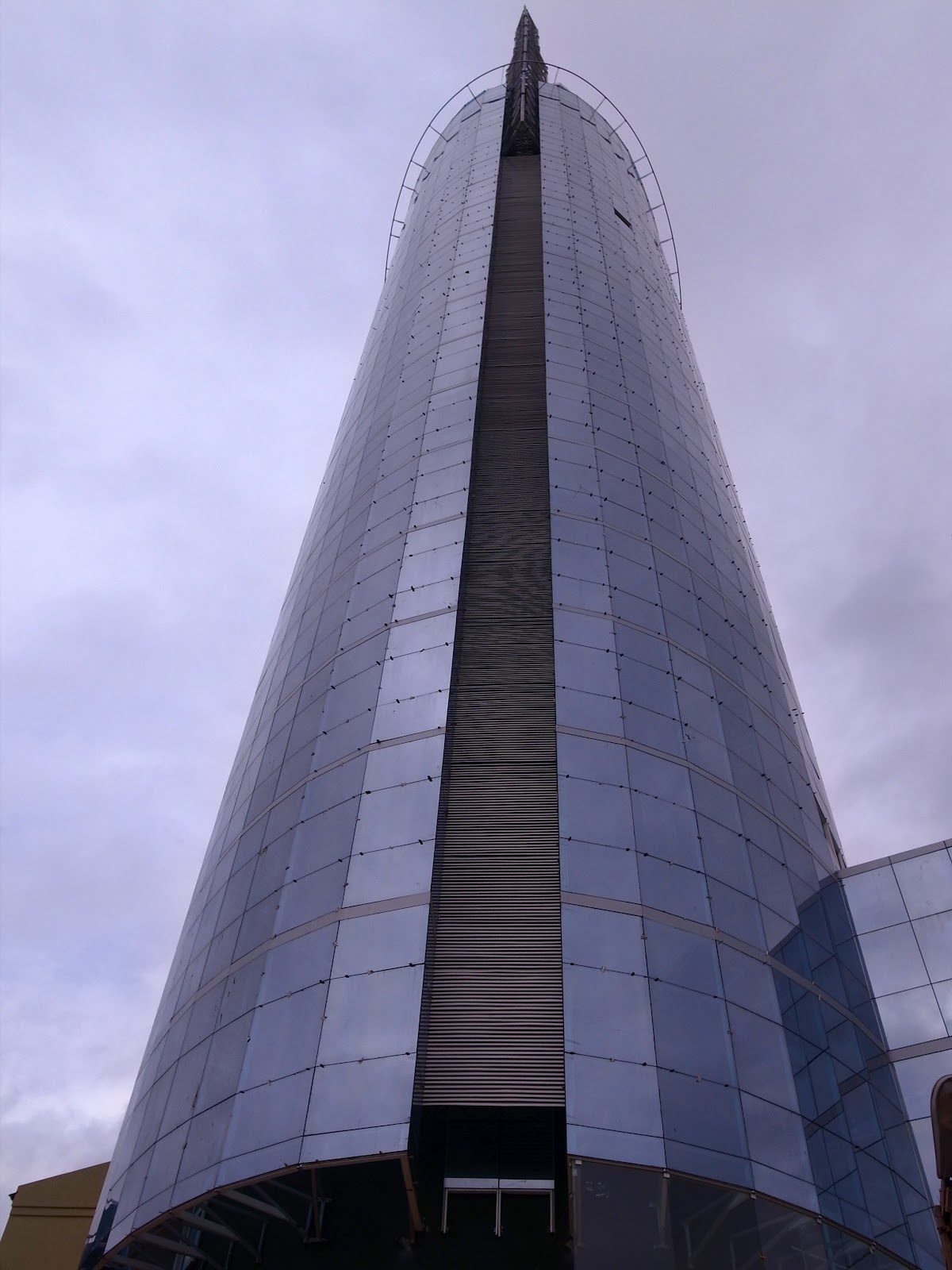
Capture the towering blue glass facade from the street level to emphasize the city's modern architecture on your kigali walking tour.
Focus your lens on the vibrant textiles and piles of fresh produce in the bustling stalls for an authentic Kigali city landmark tour experience.
Frame the iconic dome against the skyline from the surrounding hills to document this signature kigali walking tour tours highlight.
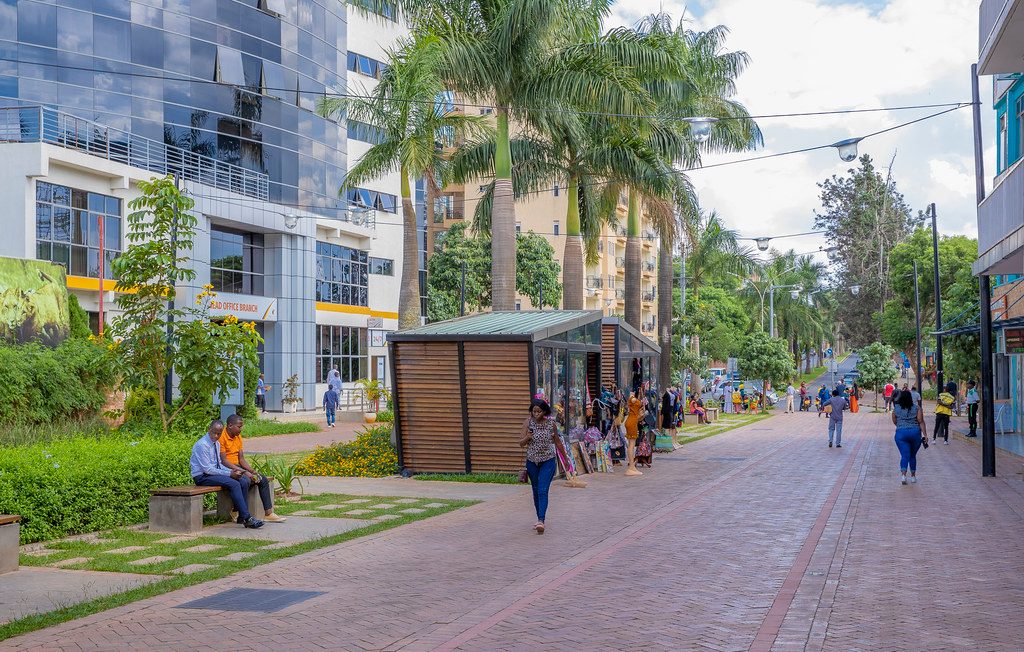
Shoot the wide, pedestrian-friendly boulevard which offers a dynamic perspective on Kigali’s organized urban life for your kigali walking tour tickets collection.
Photograph the bold exterior murals and creative sculptures that define this contemporary art hub during your Kigali art tour.
Exploring the heart of the city is best paired with local flavors found near your kigali walking tour. Visitors will find a variety of Rwandan coffee shops and casual eateries scattered throughout Central Kigali, perfect for resting after browsing regional landmarks.
A popular spot for premium Rwandan coffee and light lunches. This venue is ideal for those seeking a comfortable atmosphere during their kigali walking tour tours.
Real experiences from real travelers
Our guide led us through the memorial with deep respect and knowledge, then showed us the regeneration happening across the city. The kigali walking tour connected history with Rwanda's present in a way no bus tour could. Streets are spotless and the hills offer constant views.
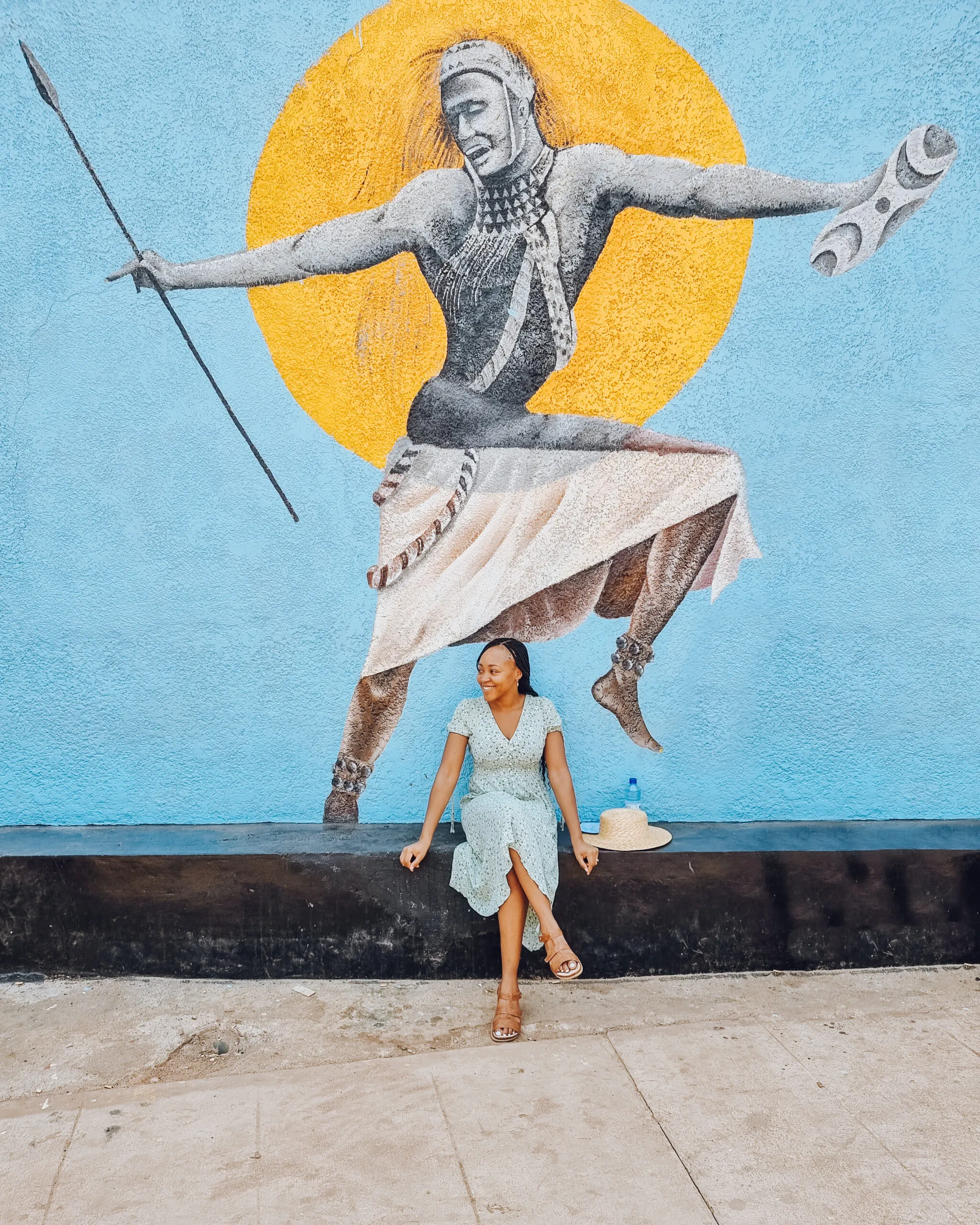
We walked through Nyamirambo and saw murals, met artisans, and tasted local brews. The guide's stories about reconciliation and growth were powerful. This pedestrian tour of Kigali gave us access to neighborhoods we would never have found alone.
The memorial portion was handled with care, and afterward we explored the craft cooperative and a rooftop café. Our guide answered every question about Rwanda's recovery. Walking lets you notice the jacaranda blooms and the quiet pride in the streets.
Guide was punctual and spoke excellent English. We covered the convention district, market, and memorial over three hours. Only wished we had more time in Kimironko. The kigali walking tour tickets were worth it for the access and context provided.
Kigali surprised us—so green, orderly, and optimistic. Our guide grew up here and shared personal stories alongside the broader history. The walking pace let us absorb the contrasts between new infrastructure and older hillside neighborhoods.
The memorial visit was deeply moving. Afterward, we walked to a women's cooperative and learned about traditional imigongo art. The guide knew every street and greeted locals warmly. A walking tour of Kigali reveals layers a vehicle cannot.
We began at the genocide memorial, then walked downhill through residential areas into the business district. Our guide explained land-use planning and the monthly community cleanup tradition. The city's cleanliness and safety impressed us throughout the kigali walking tour.
This tour connected us to the heart of the city. We saw the craft market, tasted Rwandan coffee at a local roastery, and heard firsthand accounts of the country's rebuilding. Walking through these neighborhoods felt like meeting Kigali on its own terms.
The memorial was somber but necessary, and the guide gave us time to reflect. Later, walking past new tech hubs and green spaces, we saw Rwanda's forward momentum. The kigali walking tour tours are a respectful way to understand both past and present.
Our guide was knowledgeable and kind, tailoring the route to our interests. We visited a community center, walked along palm-lined avenues, and ended at a viewpoint overlooking the valleys. Kigali on foot is intimate, safe, and full of stories.
Everything you need to know for your journey
A kigali walking tour can be enjoyed daily between 09:00–17:00, with morning hours recommended to avoid the afternoon heat.
Self-guided walks are free, but guided kigali walking tour tours vary by operator.
Most experiences last between 2 to 6 hours depending on the chosen itinerary.
You do not need formal tickets for self-guided walks, though booking in advance is suggested for guided kigali walking tour tours.
The best arrival window is 09:00–11:00 to ensure cooler temperatures during your kigali walking tour.
Due to the steep, hilly nature of the city, most walking routes are not wheelchair accessible.
Bring comfortable shoes, sun protection, and a reusable water bottle for your kigali walking tour.
Yes, many operators offer private bookings for a more personalized kigali walking tour experience.
Join thousands of happy travelers who have discovered this incredible experience
Book Your Experience Now