

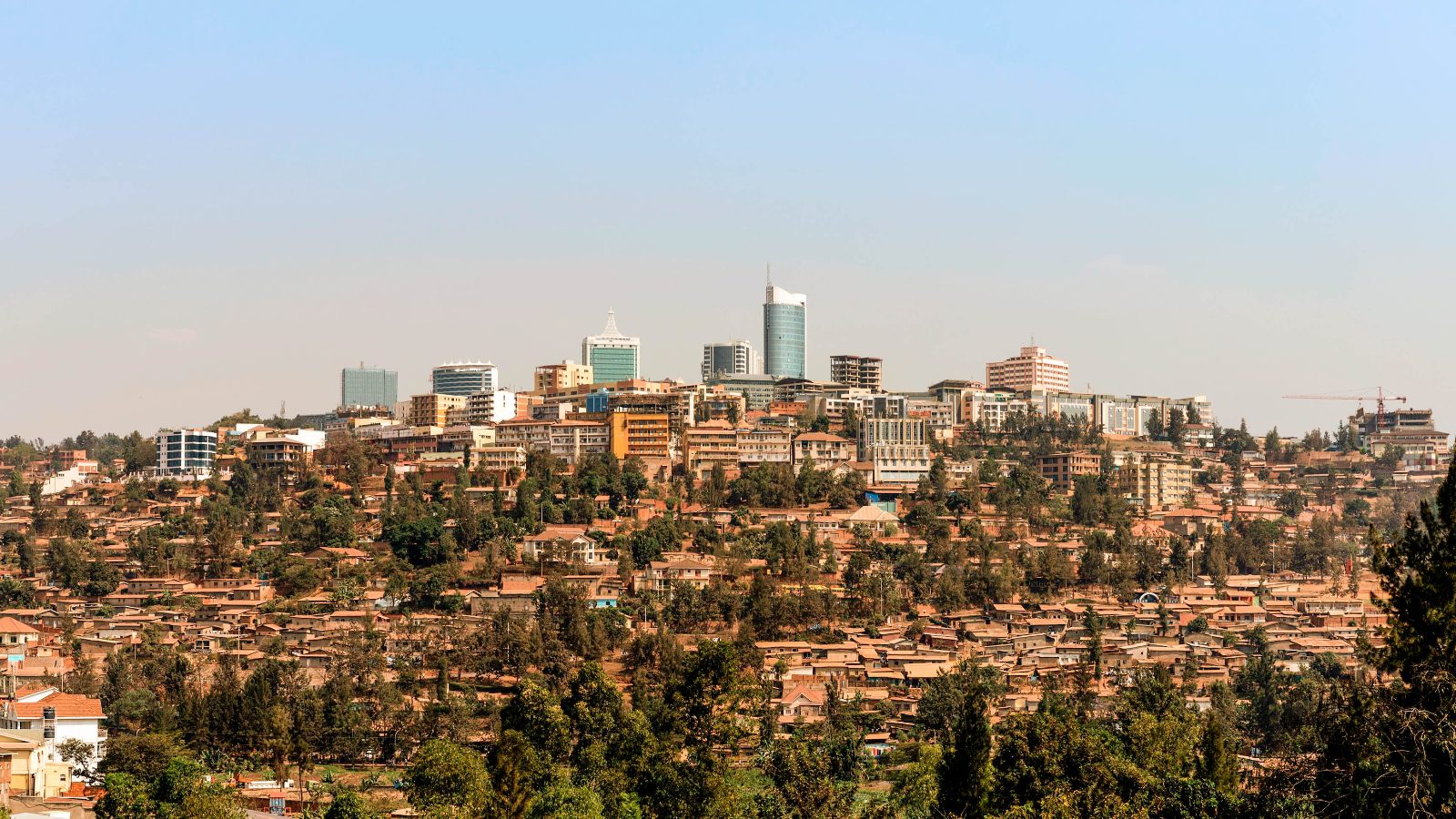
Quick answer
Yes, Kigali is worth visiting if you value safety, urban order, and recent history over traditional tourist infrastructure. The city ranks as one of Africa's cleanest and safest capitals, with the Kigali Genocide Memorial providing essential context for understanding modern Rwanda. Most travelers spend two to three days here before heading to Volcanoes National Park or Nyungwe Forest, though the city itself rewards longer stays for those interested in contemporary African urbanism, local markets, and emerging art scenes.
Kigali prohibits plastic bags at the airport—a signal that Rwanda's capital operates under stricter civic rules than most East African cities. The policy reflects a broader urban order that shapes the visitor experience: spotless streets, motorcycle taxis wearing helmets, and a 10pm curfew for bars outside designated entertainment zones. Whether Kigali merits a dedicated visit depends on what you seek from African travel. The city offers no UNESCO sites, no colonial architecture quarter, and limited wildlife beyond the occasional crowned crane in hotel gardens. What it does provide is a functional, walkable capital where public transport runs predictably, street crime rates sit below regional averages, and English serves as a co-official language alongside Kinyarwanda and French. The Kigali Genocide Memorial—free to enter, open Monday through Sunday from 09:00 to 17:00 at KG 14 Ave—anchors most itineraries. Audio guides available for hire walk visitors through the 1994 genocide against the Tutsi, providing context no guidebook summary can match. Weekday mornings between 09:00 and 11:00 offer the quietest visit windows. Beyond the memorial, Kigali rewards exploratory walking: Kimironko Market sprawls across produce stalls and fabric vendors, Inema Arts Center showcases contemporary Rwandan painters and sculptors, and the Caplaki Crafts Village concentrates artisan workshops under one cooperative roof. Neighborhoods rise and fall across the city's signature hills—Kiyovu holds embassies and upscale cafes, Nyamirambo remains the historic Muslim quarter with street food stalls and live music venues, Kimihurura clusters international restaurants and co-working spaces. The city suits travelers who prefer urban calm over chaotic markets, who want reliable infrastructure between gorilla treks, or who study post-conflict recovery and nation-building. It disappoints those chasing "authentic Africa" stereotypes or expecting Nairobi's nightlife energy. Most visitors bracket Kigali as a gateway—flying into Kigali International Airport, spending 48 hours in the capital, then transferring north or south. That model works, though the city's coffee roasteries, genocide history, and orderly rhythm justify longer attention. Kigali won't overwhelm you, but it will likely shift assumptions about what an African capital can look and feel like in 2026.
“Kigali won't overwhelm you, but it will likely shift assumptions about what an African capital can look and feel like.”
The Best Time of Year to Decide if Is Kigali Worth Visiting
The most favorable period to visit Kigali for outdoor exploration is during the long dry season, which spans from June to mid-September. These months offer lower humidity and less precipitation, providing stable conditions for walking tours throughout the city.
June to mid-September
Minimal rainfallDry and mild, 20°C–28°C
This season offers the most reliable weather for walking tours and outdoor activities across the city.
Mid-September to November
Moderate crowdsFrequent short rain showers, 19°C–27°C
The landscape becomes lush and green during these months, though travelers should expect intermittent rain.
December to February
Moderate crowdsWarm and dry, 20°C–28°C
A secondary dry season that remains a practical time for visitors to navigate Kigali on foot.
March to May
Low crowdsHeavy rainfall, 18°C–25°C
Consistent rains during these months can make prolonged outdoor walking tours more challenging due to muddy conditions.
Verdict: Plan your visit during the primary dry season between June and mid-September for the most consistent weather conditions.
Top Cultural Landmarks Proving Is Kigali Worth Visiting
Exploring Kigali involves engaging with sites that illustrate the nation's history and contemporary urban development. These landmarks provide essential context for understanding the city's identity.
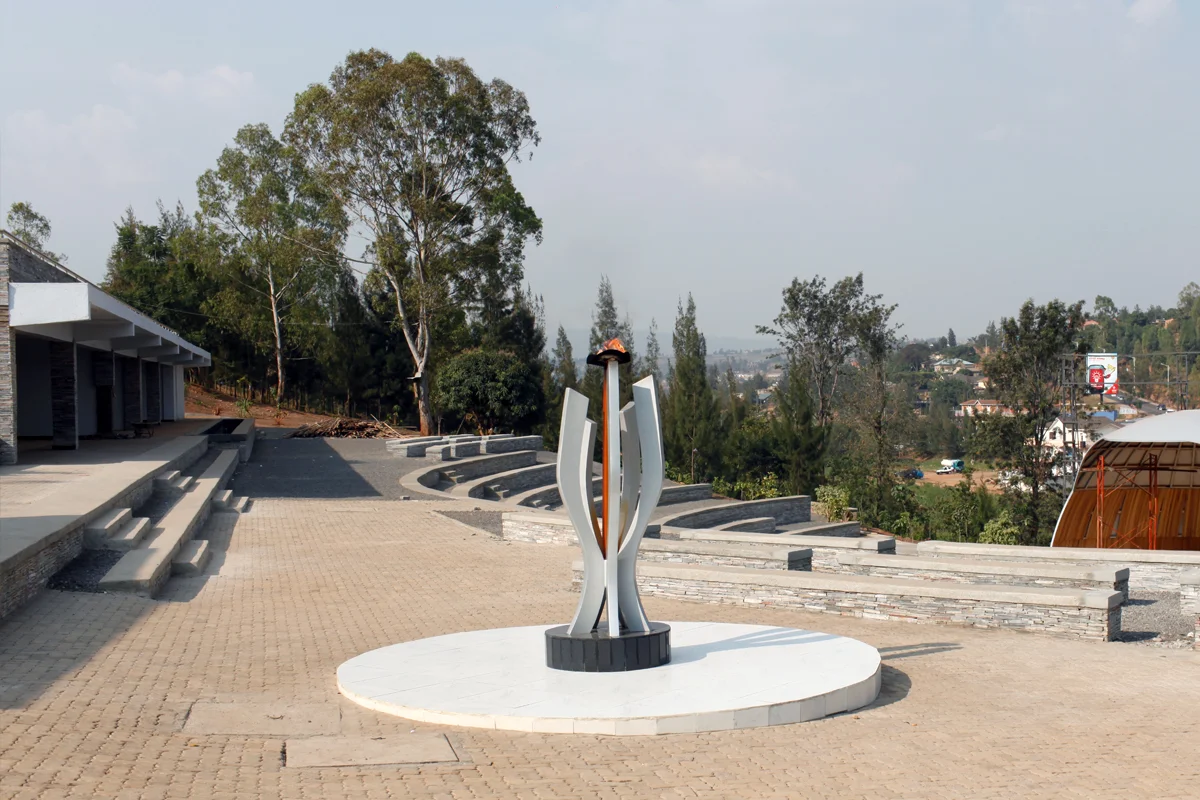
Kigali Genocide Memorial
This site serves as the final resting place for over 250,000 victims and provides historical context through its exhibition halls and gardens.
Walk the garden path slowly to process the exhibits.
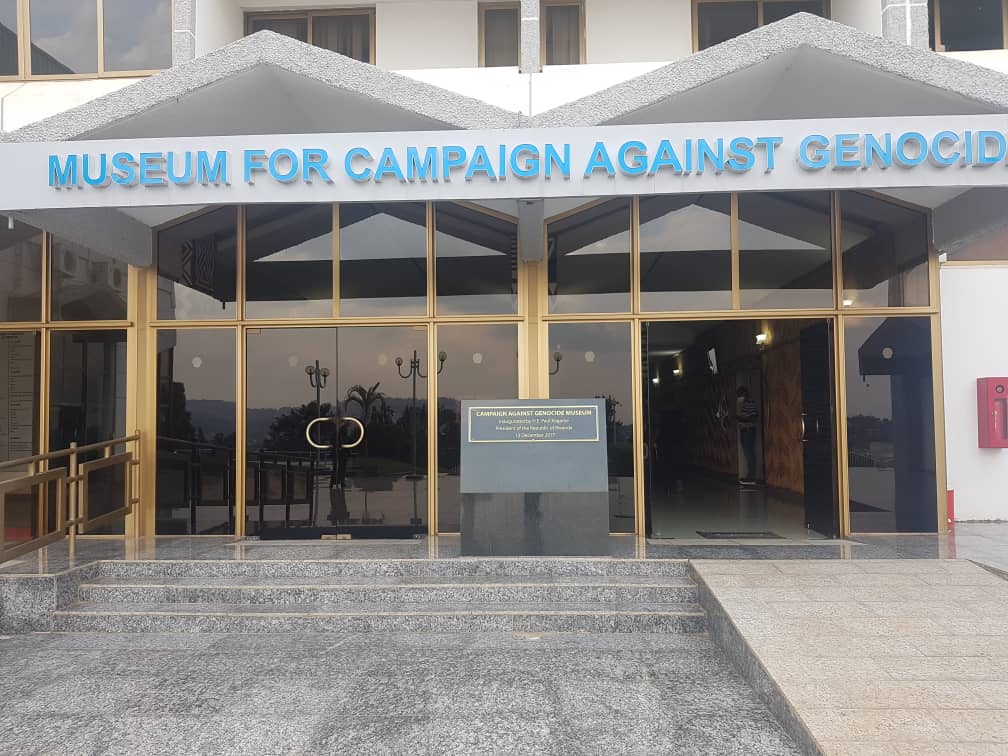
Campaign Against Genocide Museum
Located within the Parliament building, this museum details the liberation struggle with displays of weaponry and historical military artifacts.
Look for the preserved bullet holes on the building exterior.
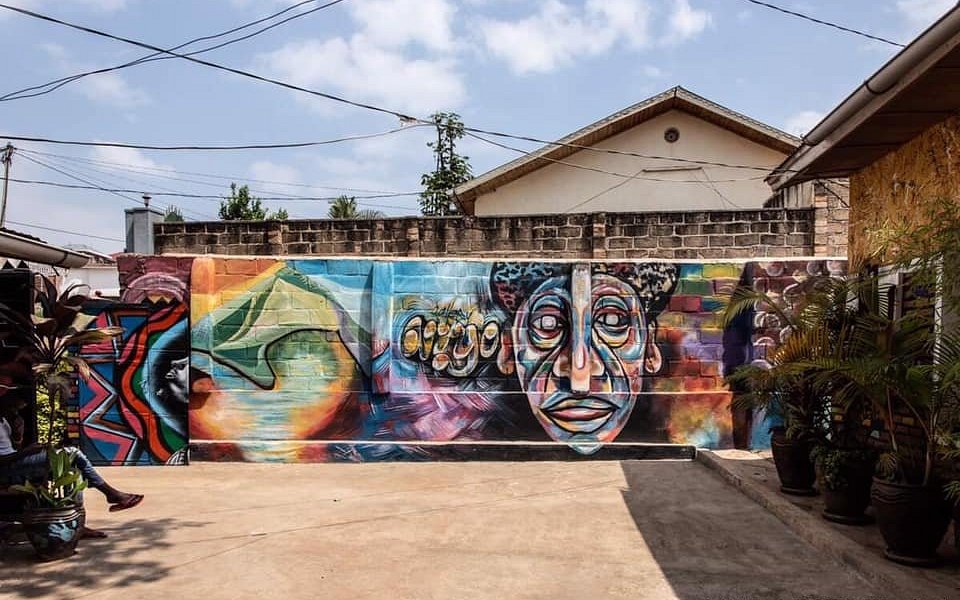
Niyo Arts Gallery
A vibrant space showcasing contemporary Rwandan art, including paintings and sculptures created by local artists.
Engage with the artists on-site to understand their creative process.
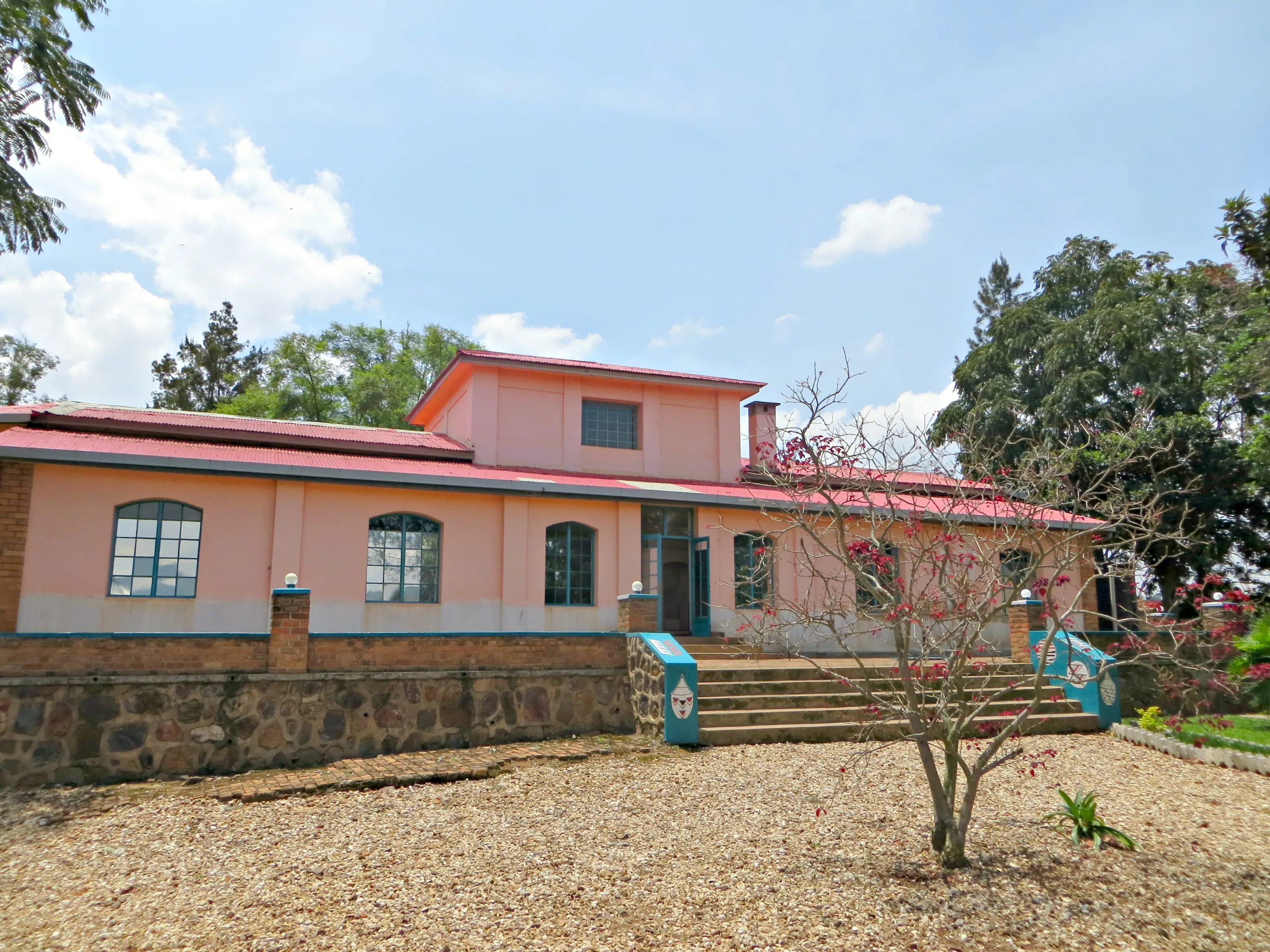
Kandt House Museum
Situated on a hillside, this museum details the colonial history of Rwanda and the natural history of the region.
View the city panorama from the museum terrace.
The Historical Narrative: Why Is Kigali Worth Visiting Today
Kigali became Rwanda's capital in 1962 following independence from Belgian colonial rule. The city grew modestly through the following decades as an administrative center. In 1994, the Rwandan genocide claimed approximately 800,000 lives nationwide, devastating the social fabric and leaving Kigali scarred by violence. The Kigali Genocide Memorial, which opened in 2004, now preserves this history and serves as a place of remembrance for victims. The post-1994 reconstruction transformed the capital into one of Africa's cleanest and most organized cities. President Paul Kagame's administration implemented strict urban planning regulations, banned plastic bags in 2008, and instituted monthly community cleaning days known as Umuganda. These policies reshaped Kigali's physical environment. Infrastructure projects expanded road networks, constructed modern buildings, and attracted international investment. The city's population grew from approximately 350,000 in 1994 to over 1.1 million by 2020. Today, visitors encounter a capital that balances memorialization with forward momentum. The Kigali Genocide Memorial stands as the primary historical site, offering free entry and audio guides that document the genocide through survivor testimonies and archival materials. Tree-lined boulevards, orderly traffic, and a prohibition on street vending reflect the government's emphasis on order and development. Whether is Kigali worth visiting depends partly on engaging with this layered history—a city that confronts its traumatic past while projecting a vision of stability and progress across its expanding neighborhoods.
Kigali becomes the capital of independent Rwanda, replacing Butare as the administrative center.
Major Juvénal Habyarimana seizes power in a military coup, ruling from Kigali for the next two decades.
The Rwandan genocide begins in April after President Habyarimana's plane is shot down, resulting in approximately 800,000 deaths over 100 days.
The Rwandan Patriotic Front captures Kigali in July, ending the genocide and establishing a new government.
The Kigali Genocide Memorial opens on the tenth anniversary, housing the remains of over 250,000 victims.
Rwanda bans plastic bags nationwide, with Kigali enforcing strict environmental regulations that reshape the urban landscape.
Kigali's population exceeds 1.1 million, reflecting three decades of reconstruction and rapid urban growth.
Nearby Attractions for Those Asking Is Kigali Worth Visiting
Kigali serves as an efficient hub for exploring Rwanda's broader landscapes. Extending your stay allows for transitions between urban history and the country's diverse natural environments.
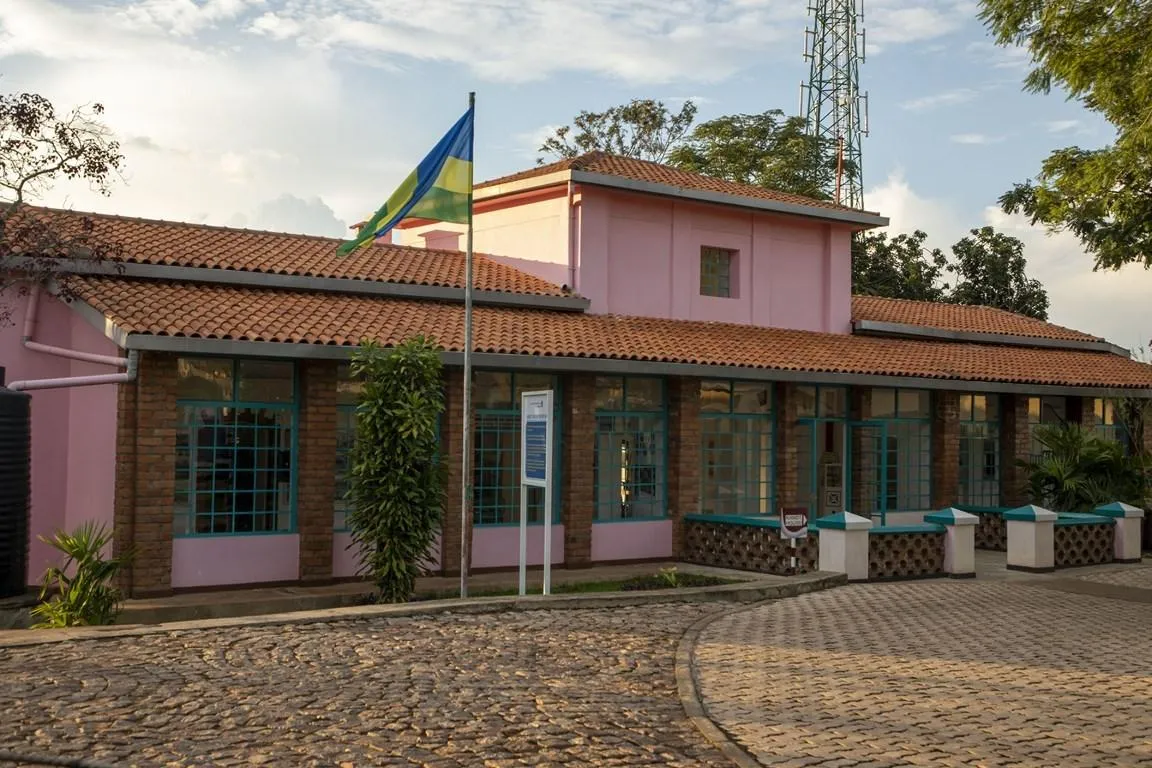
Kandt House Museum
This museum offers a deeper look into the colonial history of the nation, providing context for the urban development observed in Kigali.
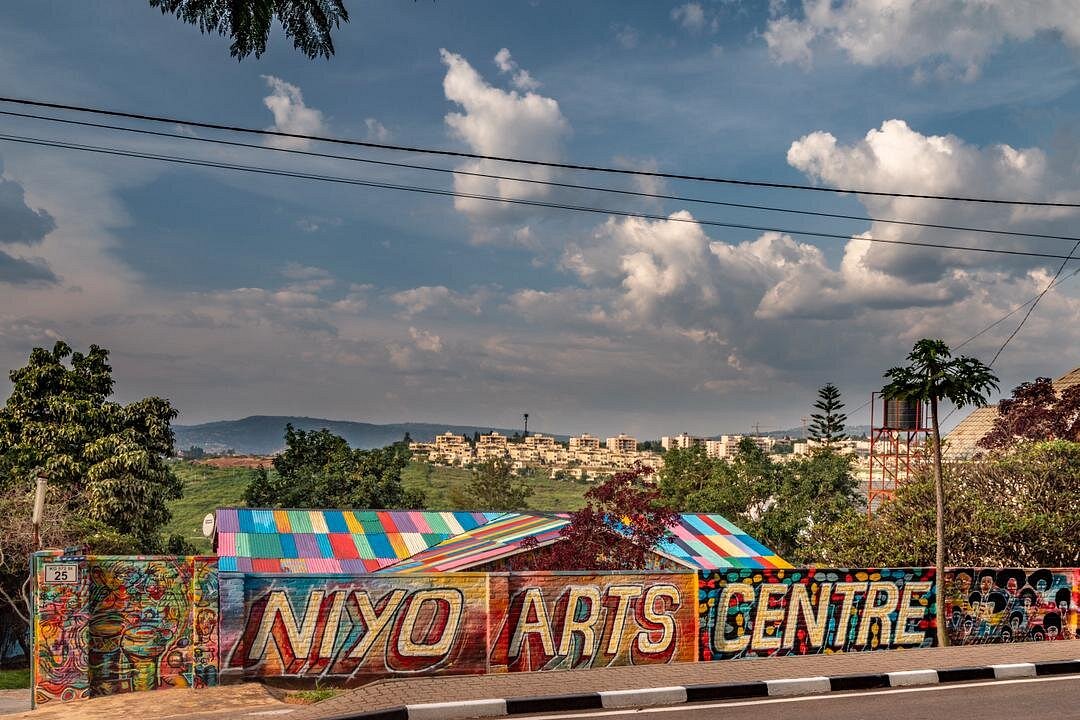
Niyo Arts Gallery
Visiting this space allows you to connect with contemporary Rwandan artists after spending time at historical sites.

Akagera National Park
This park offers a wildlife experience that complements the city's urban environment, making it a logical next step for those interested in conservation.
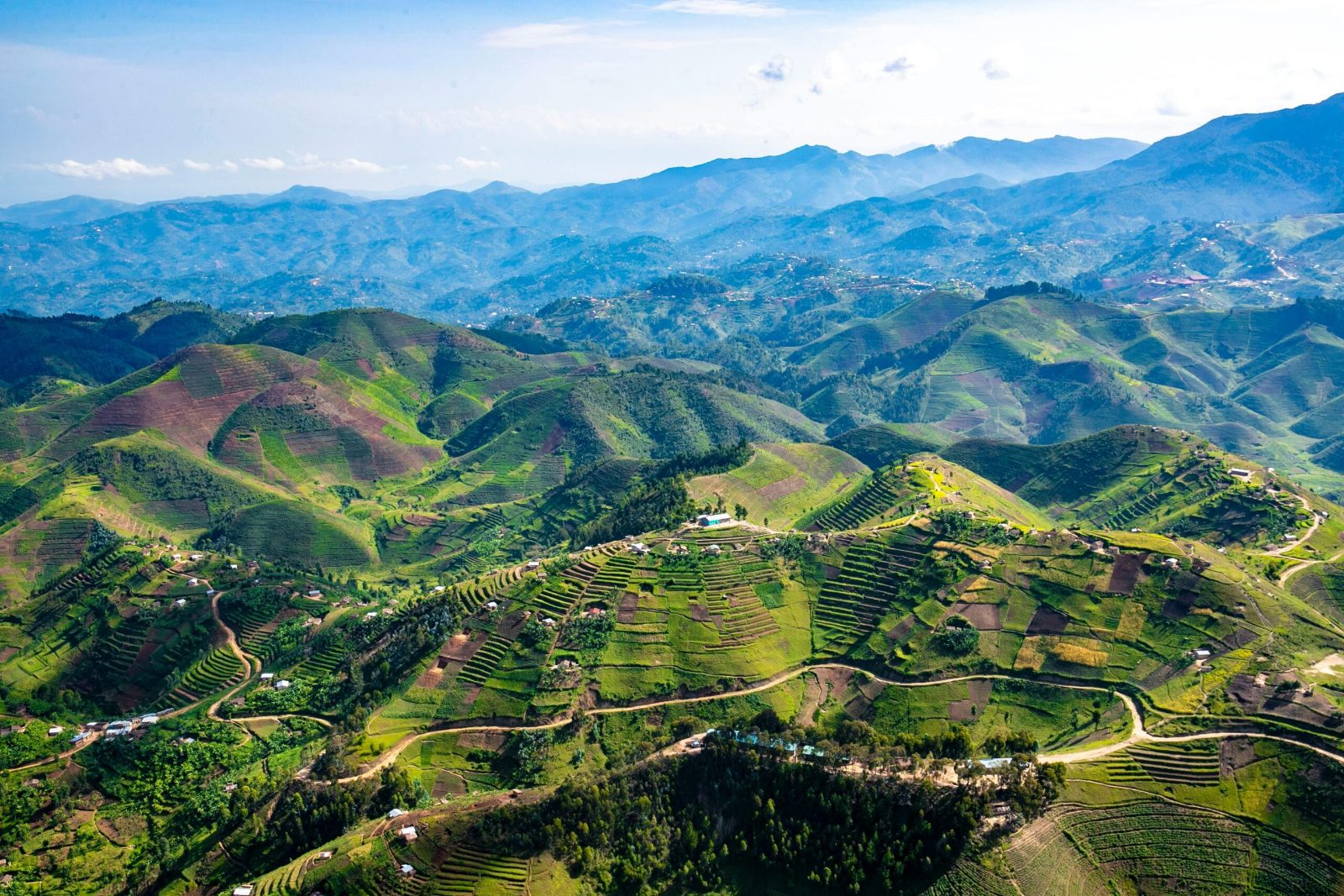
Thousand Hills region
The rolling hills surrounding the capital provide accessible hiking opportunities and a change of pace from the city center.
Expert Advice for Your Trip: Is Kigali Worth Visiting
Navigating Kigali effectively requires understanding local transport conventions and social nuances to ensure a respectful and efficient experience.
Moto taxi payment etiquette
Confirm the fare before starting your journey on a moto taxi, as drivers do not use meters. Having small denominations of Rwandan Francs ready is standard practice for easier transactions.
Using public bus cards
Local buses operate exclusively on a cashless payment system using a 'Tap&Go' card. You can purchase and top up these cards at various kiosks located near major bus stops.
Dress code considerations
Kigali maintains a conservative dress code in public spaces. Dressing modestly when moving between districts is appreciated by locals and helps you blend in rather than appearing as a tourist.
Plastic bag prohibition
Rwanda has a strict ban on non-biodegradable plastic bags. Ensure your luggage does not contain these, as they will be confiscated at the airport upon arrival.
Photography sensitivity
Always request permission before taking photographs of individuals or government buildings. Some security-sensitive areas strictly prohibit photography, so look for signage before using your camera.
Navigation and connectivity
Google Maps is reliable for walking routes, but offline maps are recommended for navigating the hilly terrain. Download your map data beforehand to ensure you remain oriented throughout your walking tour.
Check availability
Common questions about whether is kigali worth visiting
Everything you need to know about is kigali worth visiting